Music News

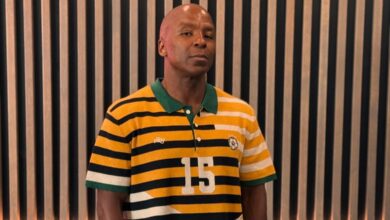
Vusi Nova Sparks Emotional Debate with Bold ‘When I’m Gone’ Music Video Concept

South African Afro-soul star Vusi Nova has stirred intense conversation after behind-the-scenes footage from his upcoming music video for ‘When I’m Gone’ spread rapidly online. The clips caught many fans off guard and triggered a wave of emotional reactions, ranging from shock to deep curiosity. The unreleased single forms part of his forthcoming EP ‘Here to Stay’, which already carries high expectations among his loyal audience. Early glimpses suggest that this project will lean heavily into introspection and emotional storytelling. The viral footage has only heightened anticipation and pushed the conversation beyond music into deeper themes of life and legacy.

The song ‘When I’m Gone’ explores mortality, legacy, and remembrance in a direct and personal way. Vusi Nova uses his music to confront a reality that many people avoid discussing openly. He reflects on how he wants to be remembered both as an artist and as an individual. This approach connects with listeners who value honesty and emotional depth in music. The track positions itself as more than just a song, as it becomes a personal statement about identity and purpose. By tackling these themes, he sets the tone for an EP that promises to be thoughtful and reflective.

The strongest reaction has come from the music video concept itself, where Vusi Nova stages and directs his own funeral. Footage circulating online shows a detailed and realistic funeral setting that includes an obituary and carefully arranged scenes. The production features appearances from well-known figures such as Moshe Ndiki and Luthuli Dlamini, which adds credibility and familiarity to the visuals. The level of detail convinced many viewers that the scenes were real at first glance. This led to confusion, concern, and widespread speculation across social media platforms. The realism achieved in the video reflects a deliberate effort to blur the line between performance and reality.

Vusi Nova later clarified the intention behind the concept and addressed the public reaction. He explained that the video is not rooted in fear or negativity but in meaning and reflection. The artist shared that he has long feared the idea of his name fading away after his death. This fear motivated him to create a piece that captures how he wants to be remembered. He emphasized that the song is not a prediction of death but an artistic exploration of legacy. His openness reinforces his reputation as an artist who values vulnerability and authenticity.

The decision to depict his own funeral was not random but carefully chosen to deliver a strong visual message. Vusi Nova believed that this was the most effective way to communicate the themes of the song. He also used the project to challenge cultural discomfort around conversations about death, especially within Black communities. Many people avoid discussing death due to fear or cultural beliefs, which often limits open dialogue. Through this video, he encourages a shift in perspective by presenting death as a moment that can include both grief and celebration. His message focuses on honoring life rather than fearing its end.

The video places equal emphasis on mourning and celebration, creating a balanced narrative. It shows that grief is a natural response but should not overshadow the value of a life lived fully. This approach resonates with audiences who have experienced loss and understand the importance of remembrance. At the same time, it introduces a different way of thinking about death that is less centered on fear. The emotional tone of the visuals aims to connect with viewers on a personal level. This balance adds depth to the project and strengthens its overall impact.

Despite the artistic intention, the concept has faced criticism from some viewers. Critics argue that staging one’s own funeral may attract negative energy or bad luck. These reactions highlight ongoing cultural beliefs and sensitivities around death. Vusi Nova has firmly rejected these claims and stood by his creative choices. He maintains that his work reflects his personal beliefs and artistic vision. His response shows confidence in his identity and commitment to expressing himself without restriction.

The production of the video involved collaboration with a wide network of creatives and industry professionals. The inclusion of Icebolethu Group added a layer of authenticity that strengthened the visual storytelling. Their involvement ensured that the funeral scenes appeared realistic and detailed. This collaboration demonstrates the level of planning and execution behind the project. It also highlights the importance of teamwork in bringing complex creative ideas to life. The final product reflects a combination of artistic vision and technical expertise.

As the release date for ‘When I’m Gone’ approaches, anticipation continues to build among fans and industry observers. Many are eager to see the full video and understand the complete narrative behind the concept. The viral footage has already achieved strong engagement and visibility for the project. This momentum positions the EP ‘Here to Stay’ as one of the most talked-about releases in the Afro-soul space. The conversation around the video shows how powerful visual storytelling can extend the reach of music. It also proves that bold creative risks can generate meaningful discussion.

Vusi Nova’s latest work challenges audiences to think differently about life, death, and legacy. He pushes boundaries while staying true to his artistic identity and emotional honesty. The mixed reactions to the video highlight the impact of his approach and the conversations it has sparked. His willingness to address uncomfortable topics sets him apart in a competitive industry. As fans await the official release, one thing remains clear, this project will leave a lasting impression. It invites listeners to reflect on their own lives while appreciating the courage it takes to tell such a personal story.

Related Articles

Back to top button