ZAKES BANTWINI ON THE SUCCESS OF “OSAMA” AND WHETHER IT CHANGED HIS PLANS FOR THE ALBUM
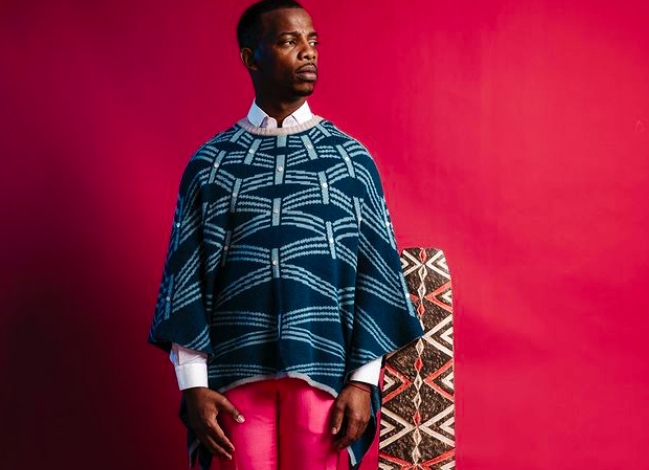
“Osama” itself, yes, it did do something, because we did not expect it was going to be this huge. I mean, it’s the biggest record I’ve ever worked on. It’s the biggest record out. I was made to believe that I would never top “Clap Your Hands.” I was believing that “Ah, you only have just a moment.” But, then “Osama” came through. Now I don’t believe anybody. Now I believe I could do something bigger than “Osama.”
I’m just glad that I did not listen to everybody. And I’m just glad that we stuck to our guns and we did what we felt was good, which is doing good music and doing what we really love and the sound that we want, the sound that we love.
“Osama” is not in any language, it doesn’t have a subject matter, it’s just dance, house music. When everybody’s told the only genre right now in South Africa that you can pop with would only be Amapiano, nothing else, you know? And there we are with dance music. People are just willing to listen to each and every song that is out there and that is pop, that is nice, and that they could relate to. I’m happy, and I think, after this single, is there pressure? I don’t think so because everything that is on the album is pure. I was not trying to do a big song. I was just do a right song.
ZAKES BANTWINI ON THE LANGUAGE OF “OSAMA”
“Osama” is really like a melodic song. So it’s the melody. When we were writing the song with Nana Atta, the idea, and I remember saying this thing to her, “Listen, it has to be, we don’t have a language, it just needs to sound strange to everyone.” You know how sometimes African music sounds to us when you don’t know the language? That’s exactly what I’d like this song to do to each and everybody who’s alive.
ZAKES BANTWINI ON MAKING THE ALBUM ‘GHETTO KING’ AND COLLABORATION
There’s only three names that are on my album that are perhaps people that have been in the industry for a while. Like it would be, Da Capo, Amanda Black, and it would be Nana.
And then everybody else is probably people who are just bubbling under, others, are not known, others… they’ve done something before, but the public doesn’t know them and stuff. So most of the guys that are on my album are people that I’m just fans of what they’re doing and then love their music. And I love their music because of how I heard the music. Not because of me being told by a lot of people “we think this guy is dope.” These are people that I’m vibing with. These are people that I love like, “Oh, I like this song. Oh, I like this guy. Oh, I like this voice. Oh, I like this thing.” And then I would reach out and be like, “Yo, hi, my name is Zakes Bantwini, I’d like to work with you.” The album is really full of collaborations.
I produced my whole album on FruityLoops. Which is the first time producing on FruityLoops. And I don’t know how to use FruityLoops, so I needed to have someone in the studio all the time, which then made me to forcefully collaborate with everyone. So I would be like, I need a piano like this. So someone had to find a piano. We look for that piano and then I would play and I would be like, I need something like this. And then we look for that. And I would, I need something like that. So it then forced me to really seriously, seriously collaborate, because I really wanted to change the sound and changing the sound was also, I wanted to change even the program that I was using.