
LocHive Emerges as a Rising Force in South African Deep House With Digital Growth, Cultural Impact and New Music Plans
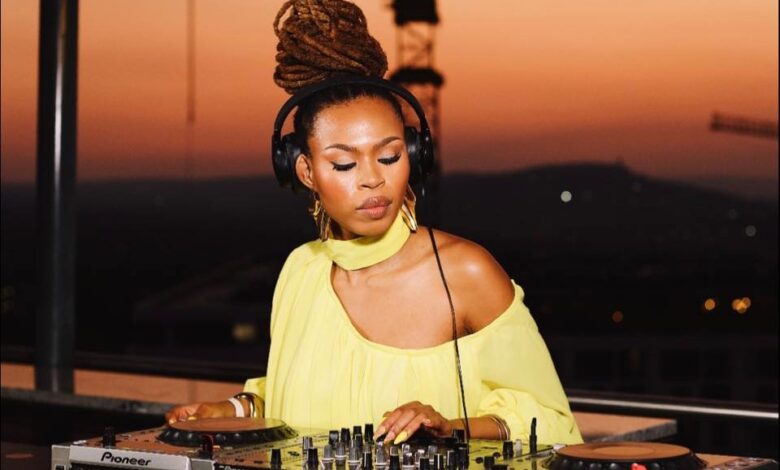
South African deep house DJ LocHive is steadily building a strong presence in the country’s evolving electronic music scene, backed by a growing online audience and a clear cultural vision. Known for her soulful, groove-driven sets, she is part of a new wave of DJs reshaping how house music is shared and experienced in the digital era. Her influence continues to expand beyond live events as her online mixes attract increasing attention across platforms. This rise reflects a broader shift in South African house music, where digital reach and community engagement now work together. LocHive’s journey highlights how modern DJs are no longer limited to clubs but are building global audiences through consistent content and identity.
One of the strongest drivers of her growth is her expanding digital footprint, particularly on YouTube where her mixes continue to gain traction. These sets introduce her sound to listeners who may never have attended her live performances, extending her reach far beyond local spaces. While she keeps her public identity simple, often describing herself directly as a house DJ, her impact is far more layered. Her approach represents a generation of selectors who use digital platforms as primary tools for exposure and storytelling. This strategy has helped her connect with audiences across different regions and backgrounds. It also positions her as part of a new digital-first movement in South African house music.
During a recent spontaneous interview moment, LocHive addressed perceptions about audience demographics in house music. She challenged the idea that women are less engaged with the genre, suggesting instead that the issue lies in how the music has been presented over time. According to her, house music has often been marketed in ways that lean toward male audiences, creating an incomplete picture of who actually enjoys it. She believes this narrative is changing as the scene becomes more inclusive and accessible. Her perspective reflects a broader conversation happening within the industry about representation and visibility. It also highlights how audience perception is shaped by marketing rather than reality.
LocHive also emphasised the emotional and wellness benefits of house music, particularly for women. She described the genre as a tool for relaxation and emotional release, noting its ability to calm the nervous system. This view aligns with a growing understanding of deep house as more than just nightlife music. For many listeners, it serves as a space for reflection, healing and mental reset. Her comments reinforce the idea that electronic music can carry therapeutic value when experienced intentionally. This perspective adds depth to how her sets are understood by audiences.
A key part of her cultural contribution is her event platform “Loc’d Grooves,” which is helping reshape how house music is experienced in physical spaces. The rooftop daytime event runs from 12PM to 8PM and focuses on pure house music, community connection and safe expressive environments. It creates an alternative to traditional nightlife settings by prioritising openness and shared experience. LocHive has described the concept as a space where people come together to relax and enjoy music in a healing atmosphere. This approach has attracted a diverse audience and strengthened her role as a cultural organiser. It also contributes to building a more inclusive house music community.
Through “Loc’d Grooves,” LocHive is actively helping to shift the narrative around who occupies house music spaces. The event places visible emphasis on inclusivity, particularly increasing the presence of women within the scene. It also supports the idea that house music can function as both entertainment and emotional restoration. By creating these environments, she is not only performing as a DJ but also shaping cultural experiences. This dual role strengthens her influence within the broader electronic music ecosystem. It shows how DJs are becoming key contributors to community-building in addition to music curation.
Beyond DJing, LocHive has confirmed that she is working on releasing original music, marking an important step in her artistic evolution. This move signals a transition from curator to producer, expanding her creative footprint in the industry. She has also hinted at possible collaborations and appearances with platforms such as Tabank Studios, which is known for showcasing live DJ performances and sets. These developments suggest a growing focus on long-term artistic development. They also indicate her intention to build a more diverse portfolio within the music industry. Her trajectory reflects a natural progression from live performance to recorded production.
LocHive’s presence continues to grow through both digital platforms and live events such as Somnyama, where she maintains consistent engagement with audiences. This combination of online and physical visibility strengthens her connection with fans and reinforces her identity in the scene. Her ability to operate in both spaces reflects the modern structure of South African house music culture. DJs today are expected to build communities across multiple platforms, and she is actively doing so. This approach allows her to remain visible, relevant and connected. It also supports the long-term sustainability of her career.
The rise of LocHive reflects a broader transformation within South Africa’s deep house ecosystem. The genre is increasingly shaped by digital reach, inclusive spaces and artists who prioritise both sound and community. LocHive represents this shift through her focus on wellness, accessibility and cultural engagement. Her message to listeners remains consistent, encouraging continued support for house music as it grows. She also expresses hope for more event platforms that expand the culture further. This vision points toward a future where house music continues to evolve as both an art form and a shared cultural experience.