
Birdie Explores Land, Memory and Belonging on New Single “Mananga”
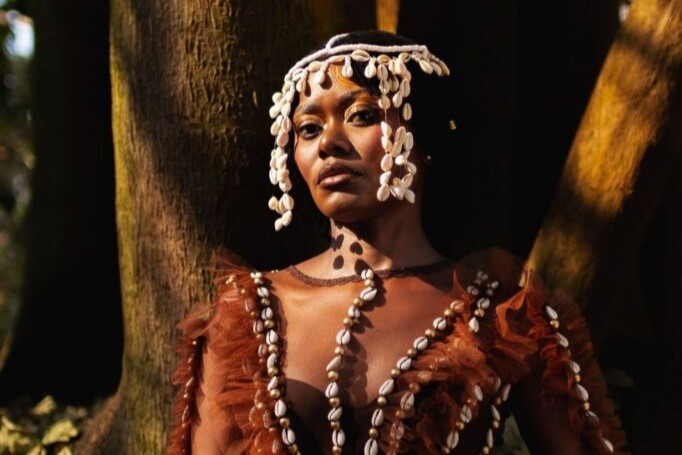
South African anthropologist, singer and songwriter Birdie has returned with “Mananga”, a reflective new single that brings together folk, African jazz and Afro-soul while exploring questions of belonging, land, memory and identity. The release introduces another chapter in the artist’s multidisciplinary creative journey and sets the stage for her highly anticipated sophomore album, Matimu. Rather than treating the natural landscape as an empty backdrop, Birdie uses the song to examine the layers of history, relationships and memories held within a place. Her approach connects musical expression with her academic and research interests, creating a song that carries both emotional and intellectual depth. Released during Heritage Month, “Mananga” also arrives at a significant moment for an artist whose work continues to examine the relationship between people, culture and the environments they inhabit.
The title “Mananga” translates to “wilderness” in Xitsonga, but Birdie uses the concept to challenge conventional ideas about what wilderness represents. The song presents the landscape as a living space shaped by generations of human relationships, memories and histories rather than as an isolated or barren environment. Through its lyrics and musical atmosphere, it asks questions about who has the right to define a place and who is recognised as belonging within it. These questions give the single a broader social and cultural significance without losing its personal quality. Birdie’s songwriting encourages listeners to consider how ideas of land and belonging are shaped by history and how those ideas continue to influence the present.
“Mananga” establishes its atmosphere from the opening moments, using an ethereal soundscape inspired by the natural world. The distant call that introduces the track creates a sense of space before gradually drawing the listener into Birdie’s musical world. Traditional African storytelling sits at the heart of the composition, while contemporary arrangements allow Xitsonga musical expressions to meet elements of jazz and Afro-soul. This combination gives the song an organic quality while allowing it to move beyond the boundaries of a single genre. Emerging South African pianist, composer and producer DiTeboho Kobedi contributes to the track’s musical depth, bringing a distinctive jazz sensibility to the arrangement and helping create its rich and textured sound.
Birdie’s background as an anthropologist adds another layer to the ideas explored in “Mananga”. Her creative practice extends beyond music into research and performance, with her work examining contemporary human-environment interactions within protected areas in post-apartheid South Africa. This interest informs the way she approaches themes such as land, identity, history and belonging. Rather than separating her academic interests from her artistic expression, Birdie allows the two areas to inform one another. “Mananga” therefore becomes part of a wider body of work that considers how people understand their surroundings and how those relationships are shaped by social and historical forces.
The release also reflects the considerable time Birdie has invested in developing the material that will form part of Matimu. The artist describes the project as a labour of love that emerged from an extended period of studio work, reflection and gathering. That period allowed her to deepen the stories behind the music while considering their contextual, theoretical and sonic dimensions. Her comments suggest that the upcoming album has developed through a deliberate process rather than a rush to release new material. “Mananga” offers an early indication of the depth of that process and gives listeners a glimpse into the themes and musical direction that may define her sophomore project.
The release carries additional significance because it arrives during Heritage Month in South Africa. This period creates a natural space for conversations about history, identity, language, culture and the experiences that have shaped communities across the country. Birdie’s decision to release “Mananga” at this time reinforces the song’s focus on the relationship between people, place and memory. Its use of Xitsonga and its engagement with African musical traditions also place cultural expression at the centre of the listening experience. At the same time, the song avoids treating heritage as something fixed in the past, instead connecting inherited histories with contemporary questions about identity and belonging.
“Mananga” follows Birdie’s 2024 single “Nghwenyama” and represents a new stage in her musical development. The progression between the releases reflects an artist continuing to investigate the connections between people and their environments through sound and storytelling. With Matimu on the horizon, the new single gives listeners a clearer sense of the creative world Birdie is building around her music. Her combination of anthropology, songwriting and performance creates a distinctive framework for addressing subjects that are both deeply personal and socially relevant. As she moves towards the release of her sophomore album, “Mananga” establishes a thoughtful foundation for the next chapter of her artistic journey.