
Six Years After uGaba: The Migration, Award-Winning Saxophonist Sisonke Xonti Opens Up About Grief, Family and the Faith Behind uKholo
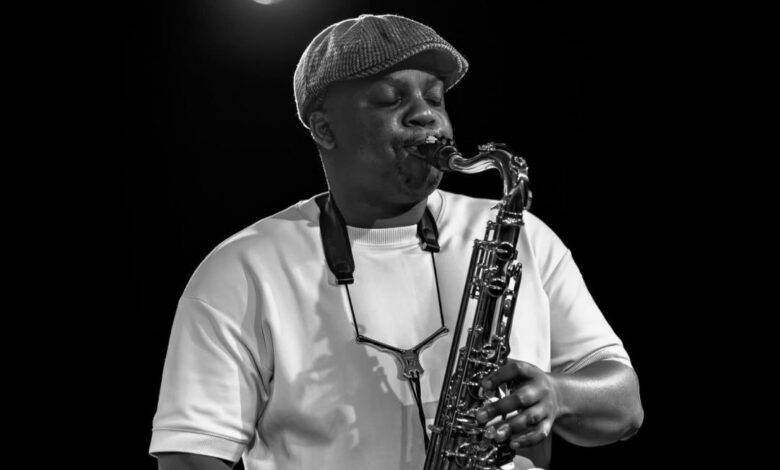
Six years after releasing uGaba: The Migration, award-winning South African jazz saxophonist Sisonke Xonti has returned with a deeply personal third studio album, uKholo. The album reflects a period of profound change, shaped by fatherhood, marriage, grief, personal growth and a renewed understanding of faith. Rather than rushing to release new music, Xonti allowed his experiences to influence his creative process until he felt ready to tell his story. The result is an album that captures the emotional complexity of adulthood while celebrating the resilience of the human spirit. For the musician, uKholo represents more than a return to the recording studio. It marks a new chapter in his life and career, one defined by patience, maturity and a willingness to let the music speak for itself.
Since releasing uGaba: The Migration in 2020, Xonti has experienced changes that reshaped his priorities and outlook on life. The COVID-19 pandemic disrupted the live music industry, making it difficult for musicians to perform and connect with audiences. During this uncertain period, Xonti also moved from Cape Town to Johannesburg, adjusted to life as a father and continued building his family. He married, welcomed a second child and endured the loss of his brother and aunt. These experiences naturally shifted his attention away from releasing albums, even though his relationship with music remained strong. Looking back, he recognises those six years as a period in which life itself became an important part of his artistic education.
The gap between his second and third albums was not the result of abandoning music or losing his creative voice. Xonti continued writing throughout the period, allowing ideas to develop as he navigated his changing circumstances. By 2024, he had started performing some of the new compositions, and audiences began asking when they would be available as recordings. Although the positive response encouraged him, he did not believe the material was ready to become a complete album. He felt that the story remained unfinished and that releasing the music too soon would not reflect everything he wanted to express. His decision to wait became an important part of the creative journey that eventually produced uKholo.
The turning point arrived in late 2025, when Xonti wrote “Khosi”, the album’s third track, in memory of his late aunt. The song helped him recognise that the different experiences of the preceding years had begun to form a coherent story. Grief had become part of his life, but so had happiness, family milestones and a deeper sense of contentment. He felt that he had reached a place where he could reflect on those experiences without rushing to make sense of them. Writing “Khosi” gave him the emotional clarity he needed to move forward with the album. It became the moment when he realised he was finally ready to share his music with the world.
One of the most significant lessons Xonti says he learnt during this period was patience. Earlier in his career, he wanted opportunities to arrive quickly, whether through live performances, career advancement or album releases. Over time, he began to understand that personal and professional development does not always follow a predictable schedule. Becoming a parent and husband required him to reconsider how he spent his time and where he placed his energy. Experiencing the loss of loved ones also forced him to confront difficult emotions rather than simply move past them. These changes have left him more comfortable with his circumstances, even as he continues to pursue new goals.
That growth is central to understanding the difference between uGaba: The Migration and uKholo. His previous album explored migration, particularly the experience of moving from Cape Town to Johannesburg in pursuit of personal and professional opportunities. It also considered a broader experience familiar to many people who leave their hometowns to pursue dreams, build careers and discover themselves elsewhere. The concept gave Xonti a clear framework through which to explore movement, ambition and the search for belonging. With uKholo, however, the creative process felt less like an intellectual exercise and more like a story that gradually revealed itself. Instead of deciding what he wanted to say and immediately pursuing that idea, he allowed his experiences to shape the music over time.
The change is also reflected in how Xonti understands himself as a musician and a family man. When he was younger, he had greater freedom over his time and could make decisions without considering the responsibilities that now accompany adulthood. Having children and building a family introduced new priorities and required him to approach life with greater discipline. He describes this development as letting go of part of his former self, while recognising that the change has brought greater maturity and control. Rather than viewing responsibility as something that limits his creativity, he has learnt to work within the realities of his life. On uKholo, that balance between freedom and responsibility becomes part of the emotional foundation of the music.
The album’s title, uKholo, places faith at the centre of its identity. Faith is explored not simply as a religious concept but as an idea that can help people navigate uncertainty, accept change and continue moving forward. The personal losses Xonti experienced gave this theme particular significance, while his changing family life offered new reasons to reflect on hope and belief. The album does not need to provide straightforward answers to the difficult questions that accompany grief and adulthood. Instead, it creates space for listeners to consider their own experiences and interpretations. Through this approach, Xonti connects his personal journey with broader questions about how people find meaning during periods of transition.
One of the album’s most meaningful moments is the title track, “uKholo”, which features a spoken-word contribution from Xonti’s mother. She wrote a poem about faith, adding a personal and intimate dimension to the recording. For years, Xonti had wanted to find a way to include her writing in his music because he deeply admires her talent. Although she is not widely known as a published writer, her poetry has long been appreciated within the family. She regularly writes in the mornings and shares her words with relatives, including through WhatsApp messages and status updates. Giving her a place on the album allowed Xonti to celebrate her creativity while bringing an important part of his family life into his artistic work.
Her contribution also reinforces the album’s connection between music, memory and family. For Xonti, creativity does not exist only in professional studios or on concert stages. It can also be found in the everyday exchanges between loved ones, in the words people share and in the traditions that connect generations. Including his mother’s poem recognises the influence of those personal relationships on his understanding of faith. It also gives listeners an opportunity to encounter her voice and writing through a different medium. The result is a collaboration rooted in affection and respect, making the title track particularly significant within the larger story of uKholo.
Another defining feature of the album is Xonti’s confidence in the finished work. He has admitted that he often questions his musical decisions, a habit that can make completing a project challenging. This time, however, he is pleased with the sound of the album and the musicians’ performances. Rather than remaining anxious about how audiences might respond, he has chosen to release the music and allow listeners to develop their own relationships with it. Some listeners have reported returning to the album several times before fully connecting with its different elements. Xonti sees this kind of repeated listening as a positive sign, reflecting his ambition to create music that can remain meaningful beyond its initial release.
His desire to create lasting South African jazz is connected to his understanding of the genre’s depth and expressive possibilities. Jazz often rewards attentive listening, with musical arrangements, instrumental exchanges and emotional details becoming more apparent over time. Xonti hopes uKholo will offer that kind of experience rather than depend on an immediate reaction. The album’s personal themes provide an entry point, but the music also invites audiences to return and discover details they may have missed. By allowing the work to speak for itself, he has moved away from the need to control how every listener interprets it. This confidence reflects the personal growth that has taken place since his previous album.
Xonti’s musical journey began long before he received major industry recognition. Around the age of 10, his parents moved him to South African College Schools, commonly known as SACS, in Cape Town. The school had a strong musical culture, with a band performing at assemblies, and the experience immediately caught his attention. A teacher recognised his potential and encouraged him to learn the clarinet when he was about 11. He initially developed a love for classical music, discovering how musical training could open up new forms of expression. His early exposure to instrumental performance laid the groundwork for the career that would eventually establish him as a prominent voice in South African jazz.
His introduction to jazz came through the school’s jazz band, which did not include clarinets among its instruments. Because the group played saxophone, his teacher encouraged him to switch instruments at around 12 years old. The teacher’s own appreciation of African jazz also helped shape Xonti’s musical education. Through him, Xonti discovered the work of influential musicians such as Abdullah Ibrahim and Winston Mankunku Ngozi. He soon realised that the music he was studying at school was connected to the sounds his father had played at home. That discovery created a personal link between his formal musical education and his family background, strengthening his appreciation for South African jazz.
As his skills developed, Xonti sought opportunities to challenge himself and learn from other young musicians. At 15, he auditioned for the National Schools Band at the National Arts Festival in Grahamstown, now known as Makhanda, but did not make the selection. Instead of giving up, he returned the following year and earned a place in the band. He also joined The Little Giants, a Cape Town youth band run by Bonga Mosola, where musicians rehearsed every Saturday and focused largely on South African jazz. These experiences gave him an opportunity to study the genre through regular practice and collaboration. By the time he reached adulthood, he had developed a strong foundation in the musical traditions that continue to influence his work.
A major step in his professional career came when he was 19 and caught the attention of guitarist Jimmy Dludlu. Xonti joined Dludlu’s band and toured internationally, gaining experience beyond the local music scene. Touring introduced him to the demands of professional performance and the opportunities that come with working alongside established artists. It also helped him understand the discipline required to sustain a career in music. Those early experiences contributed to the development of a musician who could combine technical ability with a strong understanding of musical storytelling. His later work as a bandleader and recording artist would build on that foundation.
In 2020, Xonti received one of the most significant recognitions of his career when he was named the Standard Bank Young Artist for Jazz. The award acknowledged his contribution to jazz and positioned him among a group of artists recognised for their creative achievements and potential. However, the timing coincided with the COVID-19 pandemic, which severely restricted live performances and travel. Xonti has reflected on the frustration of receiving such an important honour at a time when he could not fully use it to tour, perform and reach new audiences. While the recognition brought visibility, the restrictions limited many of the opportunities that normally accompany such an achievement. Despite that disappointment, he remains grateful to have been acknowledged and to be associated with artists who have made important contributions to the country’s cultural landscape.
The award continues to hold meaning for him, even though its benefits did not unfold as he had initially hoped. Recognition can create momentum, but musicians also need opportunities to perform their work and build relationships with audiences. The pandemic interrupted that process just as Xonti’s profile was growing. Now, with uKholo, he has an opportunity to reconnect with listeners and take greater advantage of the recognition he received. His return is not framed as an attempt to make up for lost time at any cost. Instead, it reflects a more considered approach to his career, one that places the quality and meaning of the music ahead of the pressure to release work frequently.
That approach will extend to the live presentation of uKholo, which Xonti intends to deliver as a carefully developed theatrical experience rather than a conventional jazz concert. The album launch is scheduled to begin in Cape Town at the Homecoming Centre on 1 November, followed by a Johannesburg performance at the Market Theatre on 7 November 2026. The Johannesburg show is particularly meaningful because performing at the Market Theatre under his own name has long been a personal ambition. Although he has appeared at the venue with other artists, leading his own production represents a different professional milestone. He wants the audience to experience the story behind the album as well as the music itself. To achieve that, the production will combine live performance with lighting, audiovisual elements, projected imagery and voice-overs.
The Johannesburg performance will take place at the John Kani Theatre within the Market Theatre complex. The concert will feature Benjamin Jephta, Yonela Mnana, Ayanda Sikade, Keenan Ahrends and Gontse Makhene, bringing together musicians who will help translate the album’s compositions into a live setting. The production aims to create an experience in which sound, visuals and narration work together to deepen the audience’s understanding of the music. Rather than simply playing the album’s tracks in front of a crowd, Xonti wants to communicate the experiences and emotions that informed their creation. This approach reflects his interest in storytelling as an essential part of artistic expression. It also gives audiences an opportunity to engage with the themes of grief, faith, family and personal transformation in a shared space.
For those planning to attend the Johannesburg album launch, the performance is scheduled for Saturday, 7 November 2026, at 19:00, with tickets priced at R300. The event will take place at the John Kani Theatre, Market Theatre, Johannesburg. Ticket bookings are available through Webtickets, and the concert offers an opportunity to experience Xonti’s new music in the setting he has long wanted to make his own. The combination of South African jazz, spoken-word elements and audiovisual storytelling is intended to give the evening a distinct identity. Audiences can expect a production that explores the ideas behind uKholo while highlighting the musicianship at the heart of the album. For listeners who have followed Xonti’s development since uGaba: The Migration, the performance also offers a chance to hear how his artistic voice has evolved.
Six years after his previous album, Sisonke Xonti has returned with music shaped by experiences that cannot be separated from the person he has become. The pandemic disrupted his career, family life brought new responsibilities and the loss of loved ones changed his understanding of time and priorities. Through these experiences, he learnt to be more patient and to trust that meaningful creative work does not always arrive according to a fixed schedule. uKholo captures that development through its reflections on faith, grief, family and the value of allowing a story to unfold naturally. His mother’s contribution to the title track and the dedication of “Khosi” to his late aunt give the album a deeply personal foundation, while its musical ambition connects those experiences to the wider traditions of South African jazz. Rather than presenting his return as a race to reclaim lost opportunities, Xonti is allowing the music to find its audience in its own time. With uKholo, he offers a thoughtful expression of where he stands today and a lasting statement about the power of patience, personal growth and faith in shaping an artist’s journey.