
Joliza: From Bus Driver to Cultural Trailblazer in South African Music
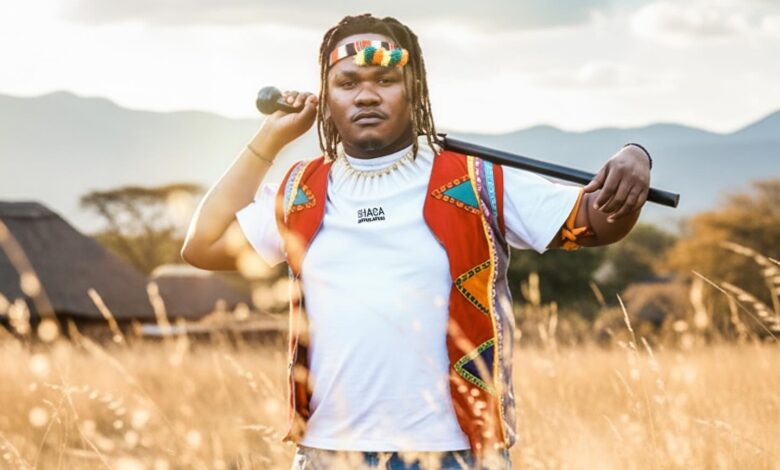
Thandikhaya Magayiyana, popularly known as Joliza, has transformed a life of routine into a journey of cultural expression. Once a bus driver by day and music producer by night, he is now among South Africa’s most promising artists. His breakthrough came in 2024 when he won the SABC 1 talent search show Ushuni Womhlaba, securing a recording deal with Gallo Record Company and Gallo Music Publishers.
Joliza’s music is deeply tied to his isiBhaca roots. Beyond entertainment, he positions himself as a cultural preservationist, committed to keeping the isiBhaca language and traditions alive. His 2023 debut EP, Bhacasoul Experience, introduced his distinctive sound and earned him South African Music Award nominations for Best Newcomer and Best Traditional Album.
In 2025, Joliza began sharing the next phase of his musical journey. His August release, Tumelo, is a love song shaped by respect, upbringing, and devotion. September’s follow-up, Makukhanye, carries a message of hope, prayer, and resilience, highlighting the spiritual dimension of his artistry.
Joliza’s upcoming album, Ushuni WeBhaca, combines traditional isiBhaca elements with soulful, uplifting messages. Collaborations include Nathi Mankayi, Buselaphi, Dumza Maswana, and Tshego AMG. Instrumental contributions come from session musicians Tlale Makhene, Spanish Motsoeneng, Sam Ibeh, Luyanda Madope, and Scott Sivuyile. The project reflects both his cultural mission and personal evolution.
Within the Bhaca community, Joliza is a torchbearer, continuing the legacy of South African icons like Busi Mhlongo and Ringo Madlingozi. His music bridges generations, fostering pride in heritage while connecting traditional rhythms to contemporary soundscapes.
Born in 1991 in Port Elizabeth (now Gqeberha) and raised in Emawusheni Village, KwaBhaca, Joliza’s roots run deep. Active in music since 2005, including a period as a rapper, he has developed the “Bhacasoul” style. The genre fuses traditional isiBhaca rhythms and spiritual practices—ukucwiya (spiritual singing), ukuvalela (spiritual humming), and ukusina (spiritual dancing)—with afro soul, jazz, and maskandi influences.
With Ushuni WeBhaca, Joliza is positioned to lead a generation of artists celebrating indigenous identity. His journey from humble beginnings to national recognition demonstrates the power of culture, resilience, and faith in one’s roots. Joliza’s work not only entertains but ensures that the isiBhaca heritage thrives in modern South African music.