
Tsholofelo Embraces Intimacy and Clarity with Sophomore Album Burning Bush
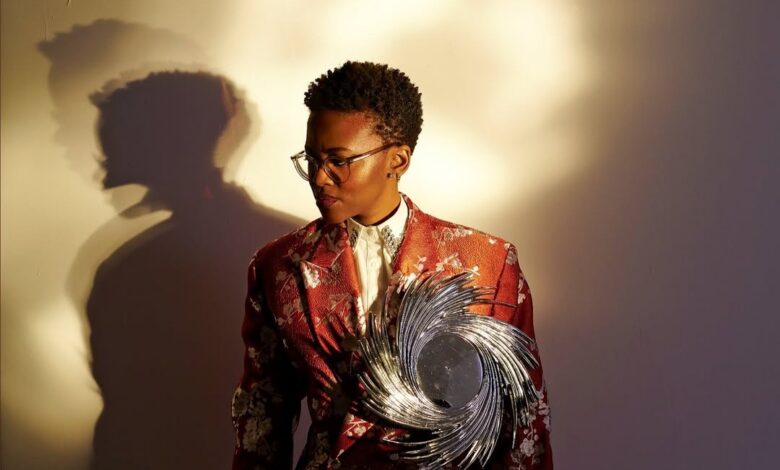
South African singer-songwriter Tsholofelo enters a defining new phase in her career with the release of her sophomore album Burning Bush. The project marks a shift from collaborative beginnings toward a more focused and self-directed artistic identity. It presents her as an artist working with intention, emotional clarity, and controlled restraint. Arriving after a three-year creative process, the album reflects patience and deep personal reflection rather than fast production cycles. It stands as a recalibration of sound and purpose following her earlier work. This release signals a more mature and grounded direction in her evolving musical journey.
Burning Bush moves away from the band-driven jazz influence that shaped her debut Becoming. Instead, the album focuses on stripped-down arrangements built around voice and acoustic guitar. The production centers simplicity as a creative choice rather than a limitation. Tsholofelo worked closely with producer Thando Kunene, also known as Th&o, to shape the project’s sound. Their collaboration focused on space, emotion, and detail instead of layering and excess. The result is an album that feels intimate, direct, and carefully constructed from the ground up.
The sound of the album blends alternative soul with acoustic warmth and subtle ethereal pop textures. Each track maintains a strong connection to the guitar and vocal performance at its core. Tsholofelo describes the work as rooted in both softness and emotional depth. She highlights how the songs carry different genre influences while still remaining unified through tone and mood. This approach gives the album a consistent identity while allowing room for variation. The focus stays on expression rather than technical complexity.
Much of Burning Bush was shaped by a long period of personal reflection following her 2022 single Past Two Years. That earlier release captured emotional strain linked to the pandemic period and set the tone for deeper introspection. The new album expands on that emotional foundation and explores growth through discomfort. Tsholofelo describes the process as one tied to healing and rediscovery. She connects the writing to moments of self-examination and emotional processing. This gives the project a strong sense of lived experience rather than abstract storytelling.
The recording process itself reflects the same slow and intentional rhythm found in the music. Sessions were developed between her home setup and Thando Kunene’s studio in Johannesburg. Weekly studio work stretched across several years, allowing ideas to evolve naturally without pressure. This gradual method created space for experimentation and refinement at every stage. Nothing was rushed or forced into completion before it felt ready. The structure of the process helped shape the emotional honesty found throughout the album.
Songwriting on Burning Bush often began in solitude with Tsholofelo and her guitar. These early sketches formed the emotional base of each track before entering the studio environment. Collaboration then expanded those ideas into fuller arrangements without losing their original intimacy. She describes the studio as a focused space where distractions were removed. The work sessions demanded long hours of attention and emotional presence. This balance between isolation and collaboration helped maintain the album’s core identity.
The emotional weight of the project is evident in its delivery and performance. Tsholofelo has shared that some songs carried significant emotional intensity during recording. Certain moments were difficult to perform without strong emotional reactions. She explains that the music often mirrored her internal healing process in real time. This connection between creation and emotion shaped how each track was approached. The album holds that vulnerability without attempting to soften or avoid it.
A standout moment on the album, The Art of Deception, reflects unexpected collaboration and timing. The track came together across different locations and circumstances, adding to its layered meaning. Tsholofelo describes the process as serendipitous and deeply aligned. The experience reinforced her sense that the project unfolded with purpose. It added another dimension to the album’s narrative of growth and discovery. The collaboration highlights how openness played a role in shaping the final work.
Burning Bush also represents a clear shift in Tsholofelo’s artistic positioning. She frames this project as a moment of clarity rather than experimentation. The sound now reflects a more defined sense of identity and direction. She describes the album as the closest representation of who she is as an artist. This statement underscores the personal significance of the work. It marks a transition into a more confident and self-assured creative phase.
The release of Burning Bush positions Tsholofelo as a distinct voice in contemporary South African music. The album prioritizes honesty, emotional depth, and musical restraint over commercial excess. It reflects an artist willing to sit with discomfort in order to produce meaningful work. Her upcoming album tour scheduled for August 2026 will extend this intimate experience into a live setting. That tour is expected to deepen audience connection to the material. Burning Bush ultimately stands as a fully realized statement of identity, growth, and artistic focus.
Stream Burning Bush HERE