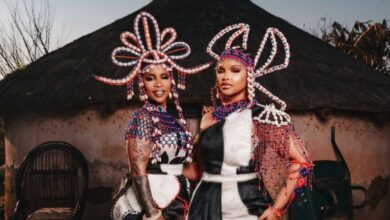
Unathi Nkayi Takes African Music to New York With Powerful Loud In Africa Performance
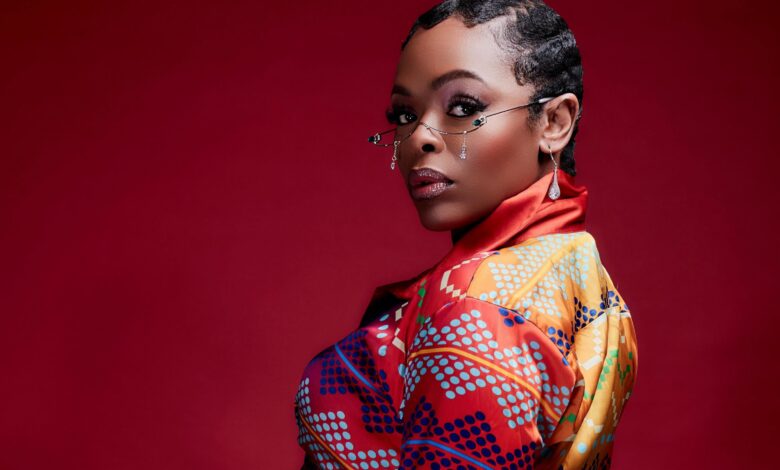
South African singer and radio host Unathi Nkayi recently took her talent to the international stage with a memorable performance at the Loud In Africa Concert Series in New York City. The highly anticipated event took place on Friday, August 14, 2026, bringing together African music lovers and members of the African diaspora for a celebration of music, culture and heritage in the heart of Manhattan. For Unathi, the occasion represented much more than another international performance, as the event connected deeply with her family history and childhood experiences. Her emotional reflections after the concert showed how strongly she felt about standing on a stage dedicated to celebrating African talent around the world. The performance also highlighted her continued relationship with Loud In Africa and its growing role in connecting African artists with audiences beyond the continent.
Loud In Africa has established itself as an important platform for African entertainment, creating events that bring together music, fashion, food, art and culture for audiences in different parts of the world. Its concert series provides African artists with opportunities to perform for international audiences while creating spaces where members of the diaspora can reconnect with the sounds and traditions of home. New York City offers an especially significant setting for this kind of celebration because of its large and diverse African and African diaspora communities. The platform has continued to use international events to showcase the range of talent coming from the African continent. Its work also demonstrates how African music can create cultural connections between people living in Africa and those who have built lives elsewhere.
Unathi has become closely associated with Loud In Africa through her partnership with the platform and her involvement in its music projects. In April 2026, Loud In Africa announced her as the new face of its upcoming season, further strengthening the relationship between the singer, broadcaster and entertainment platform. The collaboration has allowed Unathi to take part in international events while contributing to the broader celebration of African music and culture. Her involvement in the New York concert provided another opportunity to demonstrate her performance abilities to an audience outside South Africa. It also placed her at the centre of an event designed to bring different African communities together through music.
The New York appearance was particularly meaningful because of the personal history Unathi associates with African music. Following the event, she shared several photographs and moments from her time on stage with her followers, giving them a glimpse into the experience. Her posts revealed that she viewed the performance as something much deeper than an opportunity to perform in another major international city. She reflected on her childhood in the United Kingdom and the role African music played in her upbringing. Her memories connected the New York performance to a much longer personal and cultural journey shaped by her parents, African musicians and the history of the diaspora.
Unathi described the experience as spiritual and said she felt that God and her ancestors were present during the performance. Her emotional response reflected the significance of participating in a festival that brings artists from across Africa together for audiences living abroad. She also highlighted the presence of Flavour, who headlined the event for the diaspora, adding another major African music connection to the occasion. For Unathi, seeing African artists celebrated internationally reminded her of what she experienced while growing up in the United Kingdom. Her reflections showed how music can preserve cultural memories and create a sense of belonging for people who grow up away from their parents’ homeland.
The singer also recalled growing up in the UK with her mother and father while watching African musicians perform and hearing stories about artists connected to her family’s history. She mentioned influential South African cultural figures including Bra Hugh and Mam Miriam as well as the Mahotella Queens. These memories placed her New York performance within a broader history of African music and the diaspora. She also recalled attending the Free Mandela Concert at Wembley Stadium in 1988, an important event in the international campaign against apartheid. For Unathi, these experiences formed part of the cultural foundation that shaped her understanding of African music, identity and history.
Her choice of outfit added another personal and cultural element to the occasion. Unathi revealed that she wore a Nigeria tracksuit from Maxhosa to honour the host and owner of the festival. The decision demonstrated how fashion can also become a way of expressing respect, identity and cultural connection at major African events. Her appearance combined music with a visible celebration of African creativity and the wider cultural significance of the occasion. By sharing the meaning behind her outfit, she gave her followers another insight into how carefully she approached the performance. Her emotional reaction after the event showed just how deeply the experience affected her.
The scale of the New York concert also contributed to the significance of the night. Unathi celebrated the fact that Loud In Africa reached full capacity, describing the event as sold out and emphasising the unity of the diaspora. A full house in the heart of Manhattan demonstrated the strong appetite for African music and entertainment among international audiences. It also showed the potential for African artists and cultural platforms to create major experiences outside the continent. For the performers, events of this scale provide opportunities to reach new audiences while strengthening connections with Africans living abroad. For attendees, the concert offered an opportunity to celebrate African culture together in one of the world’s most influential cities.
Unathi’s performance therefore represented several important milestones at once. It gave her another opportunity to showcase her musical talent internationally while strengthening her relationship with Loud In Africa. It also allowed her to participate in an event that brought together African artists, diaspora communities and music lovers around a shared cultural experience. Her emotional response demonstrated that the significance of the performance went beyond the stage and connected directly with memories from her childhood. The experience allowed her to reflect on the artists and historical moments that influenced her understanding of African identity. It also showed how her own career has developed from those early cultural experiences into an international platform.
The performance comes at a significant point in Unathi Nkayi’s career as she continues to balance her work as a singer, broadcaster and public personality. Her involvement with Loud In Africa gives her an opportunity to combine her passion for music with her ability to connect with audiences through storytelling and performance. International appearances can also help South African artists strengthen their visibility among African communities living outside the continent. For Unathi, the New York event provided an especially powerful example of how her professional journey and personal history can intersect. Her response suggests that she understands the importance of using such opportunities to celebrate not only her own achievements but also the broader African cultural story.
The Loud In Africa Concert Series in New York ultimately gave Unathi Nkayi a stage where music, heritage, family history and African pride came together. Her performance on August 14, 2026, allowed her to connect with an audience in Manhattan while reflecting on the experiences that shaped her relationship with African music from childhood. The sold-out event also demonstrated the strength of the African diaspora’s interest in celebrating artists and culture from across the continent. Unathi’s emotional reaction made it clear that the occasion carried a personal significance that extended far beyond her role as a performer. Her New York appearance stands as a memorable moment in her international journey and another example of how African music continues to build powerful cultural connections around the world.