
Lwah Ndlunkulu and Mawhoo Unite as Zulu Queens for New Maskandi Album Isithembu
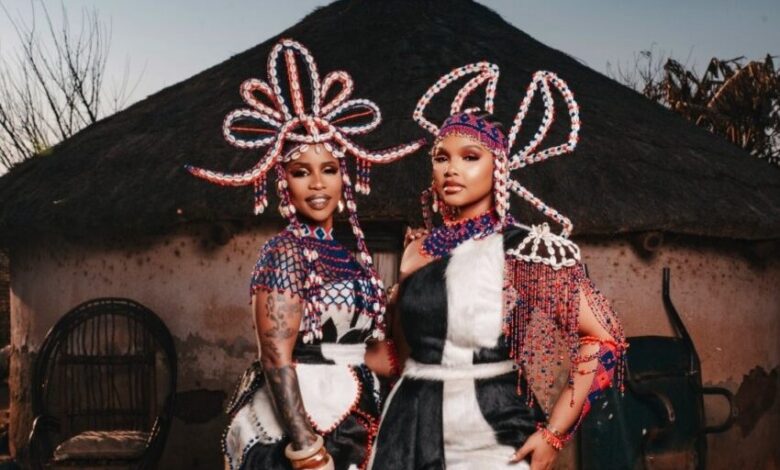
South African music is set for an exciting new collaboration as Afro-pop singer Lwah Ndlunkulu and amapiano vocalist Mawhoo join forces to explore the maskandi genre. The two artists have formed a duo called Zulu Queens and are preparing to release their highly anticipated album, Isithembu, on August 25. The project represents a significant creative move for both singers as they step into a genre that has traditionally been dominated by male performers. Their collaboration also brings together two artists with different musical backgrounds, creating an opportunity to blend their individual strengths into a fresh maskandi sound. With their new single Distance already introducing listeners to the project, Zulu Queens are positioning themselves as an ambitious female force in South African music.
The announcement of Isithembu comes as Lwah Ndlunkulu and Mawhoo continue to expand their individual careers while exploring new creative territory together. Mawhoo has built a strong reputation as an amapiano vocalist, while Lwah Ndlunkulu has established herself as a prominent Afro-pop artist. Although their musical backgrounds differ, both singers have demonstrated versatility by working across different sounds throughout their careers. That experience has helped them approach maskandi with confidence rather than treating the genre as unfamiliar territory. Their collaboration is therefore built around a shared willingness to experiment, perform and connect with different audiences.
The Zulu Queens project is also significant because maskandi remains a genre where male artists have historically held a dominant position. Lwah Ndlunkulu explained that the decision to enter the genre was intentional and motivated by a desire to demonstrate what women can achieve. She said the duo wanted to create a legacy that empowers women and encourages them to believe that they can succeed in spaces where they may not traditionally have been represented. Their approach gives Isithembu a purpose that extends beyond the music itself. By stepping confidently into maskandi, the pair are challenging expectations while creating visibility for female musicians who may want to explore the genre in the future.
For Lwah Ndlunkulu, the project represents an opportunity to prove that women can participate successfully in a genre that has often been associated with male voices. Her comments suggest that the duo wants their work to inspire other women rather than simply compete with existing artists. This focus on empowerment adds another layer to the album and gives their collaboration a broader cultural relevance. Their presence in maskandi could also encourage more conversations about the role of women in traditional and contemporary South African music. As the album reaches listeners, the Zulu Queens will have an opportunity to demonstrate their capabilities through the quality and diversity of the music itself.
Mawhoo believes that the transition into maskandi was made easier by the versatility both artists have already shown. While she is strongly associated with amapiano, her career has allowed her to explore different styles and demonstrate her vocal range. Lwah Ndlunkulu similarly brings experience from the Afro-pop space, giving the duo a foundation that allows them to approach new sounds without being limited by a single genre. Mawhoo described their shared enjoyment of singing as another reason the collaboration came together naturally. Their ability to adapt could become one of the project’s biggest strengths as they seek to create music that respects maskandi while reflecting their own identities.
The album Isithembu is expected to explore a wide range of themes rather than focusing on a single subject. According to Lwah Ndlunkulu, the project touches on different aspects of life, including love and spirituality. The duo also explored several musical concepts while working on the album, suggesting that listeners can expect variety across its tracks. This broad thematic approach gives them room to address both personal emotions and deeper cultural or spiritual ideas. With 15 songs selected for the final album, Isithembu is positioned as a substantial body of work rather than a brief introduction to the Zulu Queens concept.
The title Isithembu also creates an intriguing connection to themes of relationships, identity and culture within the broader South African context. While the album explores multiple aspects of life, the duo’s decision to present themselves as Zulu Queens places their collaboration within a strong cultural framework. Their use of maskandi further connects the project to a musical tradition that has deep roots in KwaZulu-Natal and among Zulu-speaking communities. At the same time, Mawhoo and Lwah Ndlunkulu are bringing contemporary influences from amapiano and Afro-pop into the project. This combination could help the album appeal to listeners who already love maskandi as well as audiences who primarily follow newer South African genres.
The relationship between the two artists has also played an important role in making the collaboration work. Mawhoo explained that the creative process was seamless because the pair have a great deal of love and respect for one another. She highlighted patience and mutual respect as important parts of their working relationship. Neither artist attempted to undermine the other, and instead they recognised each other’s talents while creating a safe and united environment. That dynamic can be particularly important when two established artists share creative responsibility for an entire album. Their ability to collaborate without allowing competition to dominate the process appears to have helped shape the Zulu Queens identity.
Their partnership also carries a strong message about sisterhood, particularly during Women’s Month. Rather than presenting the project solely as a commercial collaboration, the artists have emphasised the importance of supporting and uplifting one another. Their comments highlight how women in the music industry can create opportunities by working together and respecting each other’s strengths. This approach is especially relevant in a competitive entertainment industry where artists often face pressure to distinguish themselves from their peers. Zulu Queens presents a different model, where two women with individual careers can combine their talents while maintaining mutual respect.
The launch of Distance has provided audiences with an early introduction to what Zulu Queens are bringing to maskandi. As the first taste of the album, the single gives listeners an opportunity to hear how Mawhoo and Lwah Ndlunkulu approach the genre together. Their individual vocal identities remain important, but the collaboration allows them to create something that moves beyond either artist’s established sound. The song also sets the stage for the wider album, which promises to explore several themes and musical ideas. With the full project scheduled for release on August 25, anticipation is likely to grow as listeners discover more about the duo’s creative direction.
The possibility of another Zulu Queens project is already being discussed by the artists. Lwah Ndlunkulu said another collaboration could follow if Isithembu performs well, expressing confidence that the album will succeed. She also revealed that the duo recorded many songs during the creative process but had to select only 15 for the final album. This means there is already a substantial amount of unreleased material that could potentially form the basis of another project. Their willingness to continue working together suggests that Zulu Queens could develop into something larger than a single album campaign. The success of Isithembu will likely determine how quickly that next chapter takes shape.
Lwah Ndlunkulu and Mawhoo’s decision to unite as Zulu Queens marks an important moment for South African music, particularly within the maskandi space. By combining Afro-pop and amapiano experience with the traditions of maskandi, the two artists are creating a project that reflects both their individual backgrounds and their shared creative ambition. Isithembu also carries a strong message of female empowerment, sisterhood and artistic freedom, giving the album significance beyond its musical content. Their first single, Distance, offers a glimpse into the collaboration, while the full 15-track album promises a broader exploration of love, spirituality, life and different musical concepts. As Zulu Queens prepare to release Isithembu on August 25, Lwah Ndlunkulu and Mawhoo are not simply entering a male-dominated genre, they are using their combined voices to establish their own place within it and potentially inspire a new generation of women to do the same.