MTV Drops Best Afrobeats Category From 2026 VMAs After Tyla’s Historic Back-to-Back Wins

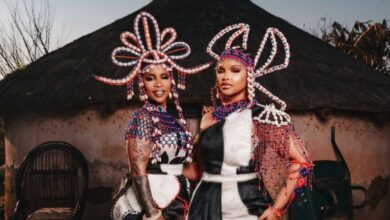
MTV has removed the Best Afrobeats category from the 2026 Video Music Awards nominations, bringing an end to a category that existed for only three years. The decision comes after South African superstar Tyla made history by winning the award in consecutive years, first for “Water” in 2024 and then for “PUSH 2 START” in 2025. Her back-to-back victories made her the first artist to win the Best Afrobeats VMA twice before MTV discontinued the category. The move has attracted attention because of the ongoing debate about how African music is classified within major international award ceremonies. It also raises questions about whether African artists should continue to be grouped under broad genre labels when the continent has such a diverse range of musical traditions and contemporary sounds.
Tyla’s success in the Best Afrobeats category became one of the most notable parts of its short history. Her first win came in 2024 when “Water” earned the South African singer the inaugural recognition, marking a major achievement for both the artist and South African music. She followed that success in 2025 by winning again with “PUSH 2 START”, making her the first two-time recipient of the award. Her achievements placed her at the centre of the global conversation around African music and its growing influence on international pop culture. The decision to remove the category after her second victory has therefore created an unusual ending to a chapter that had only recently begun.
Before Tyla dominated the category, Nigerian superstar Rema claimed the first Best Afrobeats VMA for the remix of his global hit “Calm Down” featuring Selena Gomez. That win helped reflect the international growth of Nigerian Afrobeats and the increasing presence of African artists at major American award shows. Rema’s recognition also demonstrated how music originating in Africa had become a major part of global popular culture rather than remaining confined to regional audiences. The inclusion of African music in the VMAs reflected the commercial and cultural impact of artists who had successfully taken their music to international markets. However, the category’s brief lifespan now means that its three winners will remain the only artists to have received the specific honour.
MTV has not publicly provided an official explanation for removing Best Afrobeats from the 2026 nominations. The decision is also part of a wider restructuring of the VMAs, rather than an isolated change affecting African music. Nine categories have reportedly been removed from the 2026 ceremony, including Best Rock, Best Pop Artist, Push Performance of the Year, Best Album, Video for Good, Best Long-form Video, Best Group and Song of the Summer. The changes suggest that MTV has made a broader decision to reshape the award structure for this year’s ceremony. Without an official explanation specifically addressing Best Afrobeats, it remains difficult to determine whether Tyla’s consecutive wins played any direct role in the category’s removal.
The timing of the decision has nevertheless encouraged renewed discussion about the way African music is classified internationally. Tyla’s music draws heavily from South African amapiano while also incorporating elements of pop and R&B. Although she achieved major international success with a sound that became associated with the global African music movement, her style does not fit neatly into the West African Afrobeats label. This distinction became particularly important when Tyla addressed the issue during her 2024 VMA acceptance speech. She argued that the international music industry should recognise the diversity of African music rather than placing different sounds from across the continent under one broad category.
The debate is important because Africa has an enormous range of musical traditions and modern genres. Afrobeats itself is strongly associated with West African music, particularly the Nigerian and Ghanaian scenes, while amapiano developed in South Africa and has its own distinctive history, sound and cultural identity. Afro-pop, Afrofusion, highlife, gqom, maskandi and numerous other genres also contribute to the continent’s rich musical landscape. Grouping these styles together can make it easier for international institutions to market African music, but it can also overlook important differences between the genres. Tyla’s rise has brought this conversation into the international spotlight because her success demonstrates that South African music can reach the global mainstream on its own terms.
The removal of Best Afrobeats does not mean that African artists have disappeared from the 2026 MTV VMAs. Some of the continent’s biggest stars continue to receive recognition through broader international categories. Nigerian superstar Burna Boy has earned two nominations for his 2026 FIFA World Cup collaboration “Dai Dai”, which features Colombian superstar Shakira. The song has received nominations for Best Collaboration and Best Latin, demonstrating that African artists can compete in categories that are not specifically designated for African music. This type of recognition can be significant because it places African musicians directly alongside major international stars.
Tems is also represented among the 2026 nominees, receiving recognition for her appearance on “Raindance” alongside British rapper Dave. Her nomination further demonstrates the continued influence of Nigerian artists in the international music industry. Rather than relying exclusively on an African-specific category, artists such as Tems and Burna Boy are increasingly competing in broader categories based on their music’s global reach. This could become an important part of the next stage of African music’s international development. It suggests that African artists are increasingly being recognised as mainstream global performers rather than being treated solely as representatives of a regional category.
For South African artists, Tyla’s achievements remain particularly important despite the removal of Best Afrobeats. Her consecutive VMA wins established a significant milestone for amapiano-inspired pop and showed that South African sounds can compete successfully on one of the world’s most visible music award platforms. Her success also helped introduce international audiences to musical elements associated with South Africa while challenging assumptions about what African pop music should sound like. The conversation surrounding her wins has become almost as important as the trophies themselves because it has raised questions about cultural identity and accurate genre representation. Tyla’s VMA history therefore remains relevant even though the category that recognised her no longer appears in the 2026 nominations.
The 2026 MTV Video Music Awards are scheduled to take place live on Sunday, September 27, at the Peacock Theater at L.A. LIVE in Los Angeles. The ceremony will be broadcast on CBS and MTV and will also stream on Paramount+. With Madonna leading the nominations with 11 nods and Taylor Swift following with nine, the ceremony is expected to attract significant attention from audiences around the world. The presence of Burna Boy and Tems among the nominees ensures that African music will still have representation during the event despite the disappearance of the dedicated Best Afrobeats category. Their nominations could also help reinforce the idea that African artists can compete successfully across the wider international music industry.
MTV’s decision to remove Best Afrobeats from the 2026 VMAs marks the end of a short but significant chapter in the recognition of African music at the ceremony. Rema opened the category’s history with his win for “Calm Down”, while Tyla followed with two consecutive victories for “Water” and “PUSH 2 START”. Although there is no confirmed evidence that Tyla’s wins directly caused the category to be discontinued, the timing has inevitably added another dimension to the ongoing discussion about African music and genre classification. At the same time, nominations for Burna Boy and Tems show that African artists continue to make an impact in broader global categories. As the 2026 VMAs approach, the bigger question may no longer be whether African music deserves its own category, but whether the international awards industry is ready to recognise the continent’s artists according to the full diversity and global influence of their music.