Music News

Andre Le Roux Explains Why CTIJF Is a Celebration of Jazz, Community and Freedom

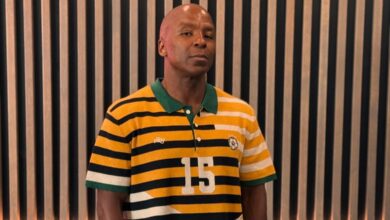
African cultural activist Andre Le Roux sees jazz as more than just music; he describes it as a reflection of identity, resilience, and liberation. Ahead of the Cape Town International Jazz Festival (CTIJF) on March 27 and 28 at the Cape Town International Convention Centre, Le Roux emphasizes that jazz’s roots are deeply local, originating in townships and listening rooms rather than grand ballrooms. While the festival draws international attention with big-name performers like Grammy-winning Jacob Collier and the American jazz-fusion group Yellowjackets, Le Roux stresses that the true essence of the event lies in community engagement, workshops, jam sessions, and discussions that connect local audiences to the music’s history. For him, jazz is a sonic democracy where every instrument and every voice has equal weight, creating a shared conversation that transcends stage lights and celebrity appeal. He frames CTIJF as a platform that celebrates both global talent and the music of everyday people, rooted in stories of struggle, survival, and expression.

Le Roux highlights the CTIJF Jazz Orchestra as a central example of local excellence, bringing together some of South Africa’s finest jazz musicians for high-energy performances. He views the festival as a space where young talent and veteran artists intersect, allowing creativity to flow across generations. For instance, he points to Muneeb Hermans, a rising jazz pioneer who curates jam sessions that bridge local and international musicians while mentoring younger performers. These intergenerational collaborations, Le Roux explains, are what keep jazz alive and evolving in South Africa. The festival, he insists, is as much about these intimate moments of connection and improvisation as it is about headline acts, demonstrating that jazz is a living, participatory culture rather than a static spectacle.

For Le Roux, jazz carries historical and cultural significance that extends far beyond entertainment. He situates South African jazz within a broader narrative of migration, struggle, and resistance, connecting it to the rhythms of Ghoema, the melodies of Jonas Gwangwa, and the legacy of Miriam Makeba. Jazz in this context becomes liberation music, born in communities and shacks, and deeply intertwined with daily life and survival. He recounts how music, including jazz, played a vital role during the 2008 xenophobic attacks, creating a bridge across division and reminding communities of shared humanity. In his view, jazz is both a cultural archive and a tool for unity, teaching listeners to listen, respond, and collaborate—qualities mirrored in the democratic structure of the music itself.

Le Roux also underscores the CTIJF’s commitment to accessibility and inclusivity, which he considers central to the festival’s mission. Free community concerts, workshops, and public jam sessions ensure that jazz remains a shared experience, not a luxury commodity reserved for the elite. He believes that true engagement with jazz requires audiences to explore beyond the main stages, discover emerging artists, and participate in the music firsthand. This ethos reflects his broader philosophy that jazz is a space for collective creativity and equal participation, where audience and performer alike contribute to the music’s vibrancy. By embedding these principles into CTIJF, the festival becomes a cultural meeting point that honors history while nurturing the next generation of talent.

Le Roux sees the 2026 CTIJF as a celebration of both legacy and innovation, staying faithful to jazz’s roots while embracing new sounds and influences. From Abdullah Ibrahim’s timeless melodies to experimental performances by young South African artists, the festival offers a layered exploration of jazz as a global and local phenomenon. Le Roux frames the event as a pilgrimage for jazz lovers, a place to connect with rhythm, ancestry, and community, and to witness the ongoing evolution of the genre. In his perspective, the festival is not defined by luxury or celebrity but by the shared human experience that jazz uniquely facilitates, affirming its role as both a musical and cultural cornerstone in South Africa.

Related Articles

Back to top button