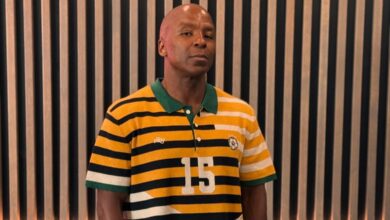
Shimza Raises Alarm Over AI Music Theft and Industry Risks

Renowned South African DJ and producer Shimza, born Ashley Raphala, has sparked debate across the music industry after publicly raising concerns about artificial intelligence being used to replicate and release music without consent. The 36 year old artist took to social media platform X to share his frustration, claiming that a song he had been working on was allegedly recreated using AI and released by a so called “fake artist.” Known for his signature house music sound and commanding global stage presence, Shimza’s voice carries weight within both local and international electronic music communities. His concern reflects a growing anxiety among artists who feel that technological advancements are outpacing protections for creative ownership. The incident has ignited wider conversations about intellectual property, originality and the future of music in an AI driven era.
Shimza explained that the alleged track was created using clips sourced from his own online posts, which were then manipulated through AI tools to form a complete release. According to his statement, the track was rushed to distribution before his official version could be completed and released, giving the impersonator an unfair advantage. He pointed out that the account behind the release appears to lack authenticity, with no social media presence and only one song available, raising further suspicion. This situation highlights how easily digital content can be extracted and repurposed without permission, especially when artists share previews or snippets online. Shimza’s warning was clear and direct, stating that AI music is going to become a serious problem if safeguards are not introduced quickly. His experience underscores a gap in regulation that could leave many artists vulnerable to exploitation.
The issue gained further attention when Leon El Ray, a producer and CEO of Electric Friends Music in Germany, addressed the situation in a video. In his remarks, he spoke about the confusion surrounding the release of similar tracks and the apparent lack of concern from audiences when duplicate sounding songs emerge. He played both versions of the track in question and encouraged listeners to form their own opinions about originality and ownership. His comments reflected the reality of a fast moving digital music landscape where content can be replicated, distributed and consumed at speed. The situation also exposed tensions between independent labels, emerging artists and established names as they compete for attention in an increasingly crowded space. This public exchange added complexity to the debate, showing that AI related disputes are not always straightforward.
Shimza’s concerns carry added significance given his global profile and influence. He has performed at major international festivals such as Tomorrowland and Burning Man, where he has showcased South African house music to diverse audiences. Beyond performance, he is known for his One Man Show initiative, which blends music with philanthropy and community upliftment. His work has consistently focused on elevating African talent and connecting it with global platforms, making his warning about AI particularly relevant. If artists at his level face such challenges, it raises concerns about how emerging musicians with fewer resources will cope. The situation signals a need for industry wide solutions that protect creativity while allowing innovation to continue.
The rise of AI generated music presents both opportunity and risk, but Shimza’s experience points strongly toward the dangers of misuse. Without clear regulations, artists may struggle to maintain control over their work, leading to financial losses and diluted creative identity. The incident also questions how streaming platforms, labels and distributors verify authenticity before releasing music to the public. As technology evolves, the music industry must adapt quickly to establish frameworks that protect original content while embracing new tools responsibly. Shimza’s warning serves as an early signal of what could become a widespread issue affecting artists across genres. His stance reinforces the urgency of addressing AI driven music theft before it reshapes the industry in ways that undermine genuine artistry.