
Lia Butler Opens Up About Her Neo-Zulu Sound, Musical Influences and Dream of Building a Lasting Legacy
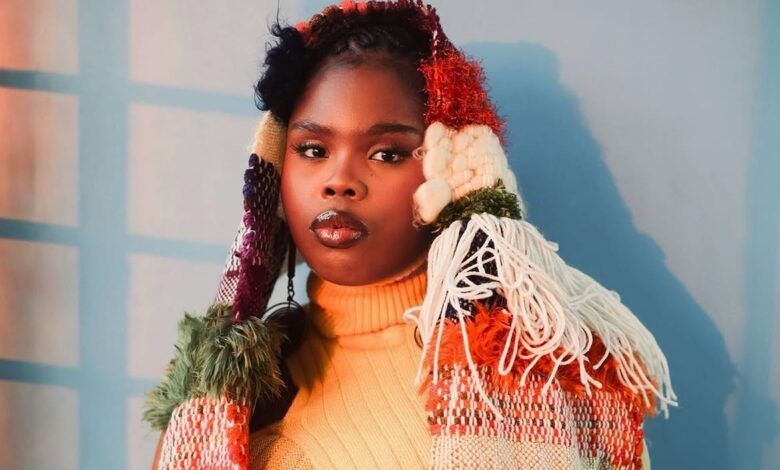
Rising South African musician Lia Butler is carving out a unique place in the country’s music industry with a sound she proudly calls “Neo-Zulu.” The talented singer, whose real name is Nombulelo Mzobe, is embracing her cultural heritage while blending it with contemporary influences to create music that feels both fresh and deeply rooted. As her fan base continues to grow, Butler has become known for her soulful storytelling, authentic artistry and unwavering commitment to expressing her identity. She credits celebrated South African music icons Thandiswa Mazwai and Simphiwe Dana for giving her the confidence to remain true to herself instead of chasing trends. Their fearless approach to music and culture has inspired Butler to create a sound that reflects her own journey while honoring the traditions that shaped her.
For Lia Butler, the term “Neo-Zulu” is much more than a genre label. She describes it as a personal interpretation of where heritage meets modern musical expression, allowing her to create without being limited by conventional categories. While listeners often hear elements of neo-soul in her songs, Butler explains that her music is equally influenced by Zulu identity, South African storytelling traditions and the country’s diverse musical landscape. Rather than fitting neatly into one style, her work combines multiple influences into a sound that reflects her experiences and aspirations. This creative freedom has become one of the defining features of her artistic identity and continues to distinguish her from many of her contemporaries.
Among the artists who have had the greatest impact on Butler’s career are legendary South African musicians Thandiswa Mazwai and Simphiwe Dana. She describes them as the blueprint for the kind of artist she hopes to become because of the authenticity they have consistently displayed throughout their careers. Butler admires how both musicians have remained firmly connected to their cultural roots without compromising their individuality to appeal to broader audiences. Discovering their music marked a turning point in her own creative journey because it gave her permission to stop trying to fit into existing musical categories. Instead, she realized she could embrace her heritage while still producing music that resonates with audiences around the world.
Growing up in a township also played a significant role in shaping Butler’s musical identity. She recalls being surrounded by music from every direction, with different homes playing genres ranging from soul and R&B to gospel and South African classics. This constant exposure introduced her to a wide variety of sounds from an early age and helped develop her appreciation for different musical traditions. At home, her family encouraged musical exploration by giving every member an hour to play whatever songs they wanted. This unique family tradition exposed Butler to both local legends and international artists, but it was the emotionally rich and story-driven music that stayed with her the most and continues to influence her songwriting today.
As Butler’s popularity has increased, she admits that adjusting to public recognition has been one of the biggest changes in her life. She says she is still getting used to being recognized by fans during ordinary moments while going about her daily routine. What touches her most are the conversations she has with listeners who tell her that her music helped them through painful experiences such as breakups or the loss of loved ones. Hearing these personal stories has reinforced the importance of creating honest and meaningful music. While she sees herself simply as someone who writes and records songs, knowing that her work has had such a profound impact on people’s lives gives her a deep sense of fulfillment and validates the years of hard work she has invested in her career.
Despite drawing inspiration from respected musical pioneers, Butler is determined to maintain her own distinctive voice. She believes that influence should never become imitation and instead focuses on understanding what made her musical heroes so powerful before interpreting those lessons in her own way. According to Butler, authenticity is the foundation of great artistry because it allows musicians to connect with audiences on a genuine emotional level. She credits Thandiswa Mazwai and Simphiwe Dana with teaching her that staying true to one’s identity is more important than following industry expectations. This philosophy continues to guide every creative decision she makes as she develops her sound and expands her reach.
Lia Butler has ambitious goals for her future in music, but she measures success by more than awards and commercial recognition. While she dreams of performing on international stages, collaborating with global artists and receiving prestigious accolades, her greatest aspiration is to build a career that stands the test of time. She wants her music to remain meaningful long after current trends have faded and hopes to leave behind a body of work that reflects honesty, culture and artistic integrity. Inspired by the enduring careers of Thandiswa Mazwai and Simphiwe Dana, Butler is committed to creating a lasting legacy built on authenticity rather than popularity alone. As she continues to introduce audiences to her Neo-Zulu sound, Lia Butler appears determined to prove that staying true to one’s roots can be the strongest foundation for long-term success in the music industry.