
Guy Buttery Announces Improvisations From A Rural Church: Volume I, A New Chapter in South African Acoustic Music
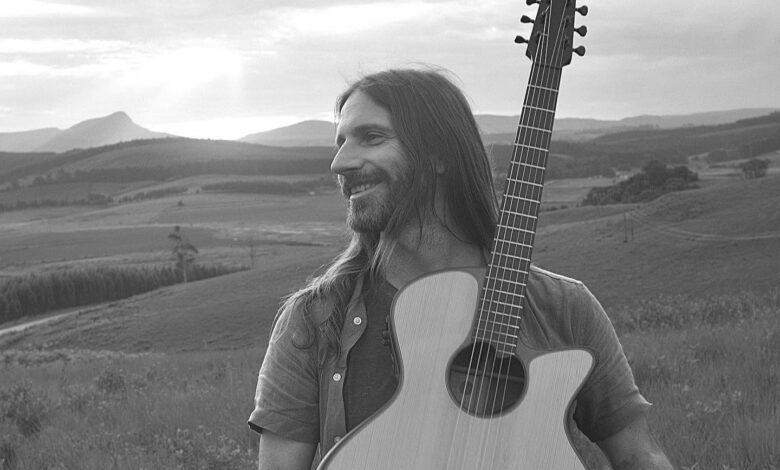
Award-winning South African guitarist and composer Guy Buttery is preparing to release a deeply personal and experimental recording project that explores the relationship between music, solitude and the natural environment. Titled Improvisations From A Rural Church: Volume I, the album is the first instalment in a series of recordings captured over eight days and nights in the KwaZulu-Natal Midlands. Known for his distinctive guitar playing, adventurous compositions and ability to move between musical styles, Buttery takes an entirely different creative approach with this project. For the first time in his 25-year career, which spans more than 15 albums, he recorded an entire body of work alone. The result is a collection shaped by spontaneous performances, deliberate creative limitations and the unique acoustic character of a small rural church. The first single is already available on streaming platforms, while the full 16-track album is scheduled for release on 12 November 2026.
The recording sessions took place inside a small church overlooking maize fields and cattle pastures in the KwaZulu-Natal Midlands. Far removed from the controlled environment of a conventional recording studio, the location became an important part of the album’s identity. Its stone walls, wooden pews and natural acoustic properties provided a distinctive environment in which Buttery could explore different instruments and musical ideas. The surrounding landscape also contributed to the atmosphere of the recordings, bringing the sounds of rural life into the creative process. Rather than treating the church as simply a place to capture performances, Buttery approached the space as an instrument in its own right. This decision allowed the architecture, surroundings and music to become interconnected elements of the final recordings.
One of the most interesting aspects of Improvisations From A Rural Church: Volume I is the set of limitations Buttery established before beginning the sessions. There were no pre-existing compositions, no overdubs and no corrections. Every performance developed in the moment, without the usual opportunity to revisit a passage or make adjustments during production. Even an injured finger became part of the circumstances surrounding the recordings. These restrictions created an environment in which spontaneity and vulnerability played central roles. Instead of pursuing technical perfection, Buttery embraced the unpredictability of improvisation and allowed each performance to retain its original character. The approach offers listeners an opportunity to experience a more immediate and unfiltered side of his musical expression.
Across the eight days and nights, Buttery recorded 121 individual pieces. These recordings were later reviewed over a period of six months, allowing him time to consider how the performances could be organised into a larger musical project. The selected material was compiled into a three-part series, with the original session numbers retained for each track. This decision preserves a connection to the circumstances in which the music was created and provides a sense of continuity across the recordings. Volume I introduces the first part of this extensive collection, with the remaining material forming part of the wider project. The process also highlights the difference between spontaneous musical creation and the more considered work of selecting and sequencing recordings into an album. Although the performances emerged without predetermined compositions, the final release reflects a period of careful listening and artistic reflection.
Buttery’s choice of instruments further expands the musical possibilities explored throughout the project. Moving between acoustic and prepared guitars, shakuhachi and swarmandal, he creates a varied sonic landscape that moves beyond conventional acoustic guitar music. The church’s own pump organ also becomes part of the recording, adding another layer to the relationship between the performer and his surroundings. Each instrument offers different tonal qualities and expressive possibilities, allowing the music to move between delicate passages, atmospheric textures and more experimental moments. The combination creates connections between contemporary acoustic composition, ambient folk and free improvisation. Rather than limiting the project to one recognisable genre, Buttery allows the instruments and the natural development of each performance to guide the musical direction.
The use of prepared guitar is particularly relevant to the project’s experimental character. Unlike conventional guitar playing, prepared guitar techniques involve altering an instrument’s sound through physical adjustments or objects that affect its strings and resonance. These techniques can produce unusual tones, textures and rhythmic effects that expand the instrument’s traditional role. When combined with acoustic guitar performance and other instruments, they create opportunities for unexpected musical interactions. The shakuhachi, a Japanese bamboo flute, introduces another distinct voice, while the swarmandal offers a different tonal palette through its plucked strings. The pump organ adds a further dimension, connecting the recording to the church environment. Together, these instruments give the album a sound that is exploratory, atmospheric and closely connected to the physical space in which it was created.
Sound engineering also plays an important role in preserving the character of the recordings. Instead of relying on a large collection of microphones and extensive studio processing, the sessions used a relatively simple five-microphone setup. Two microphones captured Buttery’s direct performances, while three additional microphones recorded the natural resonance of the church hall and its wooden pews. This approach allowed the recordings to retain a sense of acoustic depth and spatial character. The microphones captured more than the notes produced by the instruments. They also recorded the way the music interacted with the architecture, creating an impression of the physical environment in which each performance took place. The result reflects an interest in natural sound, where the recording space becomes an essential part of the listening experience.
Environmental sounds were intentionally preserved throughout the sessions. Bats, birds, passing tractors and stormy weather all became part of the recording environment. These sounds were not treated as unwanted background noise that needed to be removed during editing. Instead, they were allowed to remain as reminders of the rural location and the changing conditions surrounding the church. This decision gives the project a documentary quality, capturing moments that connect the music to a specific place and period of time. It also challenges conventional expectations about how a professional music recording should sound. In many studio productions, unwanted environmental noise is carefully removed to create a controlled listening experience. Buttery takes a different approach by allowing the natural world to contribute to the atmosphere and identity of the album.
This relationship between music and environment creates an interesting connection with ambient music. Ambient compositions often focus on atmosphere, texture and the gradual development of sound rather than traditional song structures. Improvisations From A Rural Church: Volume I explores some of these qualities through its use of natural resonance, unconventional instrumentation and spontaneous performance. The presence of birds, weather and other environmental sounds adds another layer to the musical experience. Listeners are invited to engage with the recordings as more than a collection of guitar performances. The surrounding environment becomes part of the composition, even when its sounds were not deliberately arranged or performed. This approach gives the album a distinctive identity within contemporary South African acoustic and experimental music.
The project’s emphasis on solitude also provides an important perspective on Buttery’s creative process. Throughout a career spanning 25 years, he has developed an established reputation as a guitarist and composer through numerous recordings and musical collaborations. Recording entirely alone for the first time introduces a different set of creative challenges. Without other musicians contributing ideas or responding to performances, every musical decision becomes part of an individual conversation between the artist and his instruments. There is also greater room for uncertainty, since improvisation does not provide the security of a predetermined arrangement. This setting allows performances to develop according to instinct and immediate inspiration. The resulting recordings offer a rare opportunity to hear Buttery explore his musical ideas without the structure of a collaborative studio environment.
Beyond its musical ambitions, Improvisations From A Rural Church: Volume I also carries an environmental and community-focused purpose. A portion of the proceeds from the release will be donated to the Dargle Conservancy. The organisation supports community-led efforts to protect the uMngeni catchment and the mistbelt forests of the KwaZulu-Natal Midlands. These landscapes form an important part of the region’s natural environment, making the connection between the album and its surroundings particularly meaningful. The recordings celebrate the acoustic character of a rural location while also supporting efforts to protect the wider environment. This gives the project a purpose that extends beyond the music itself. It connects artistic expression with an appreciation for the landscapes and communities that help shape the creative process.
The KwaZulu-Natal Midlands provides a fitting setting for a project built around natural sound and acoustic experimentation. Its rural landscapes, agricultural activity and distinctive natural environments offer a contrast to the controlled atmosphere of commercial recording studios. The church overlooking maize fields and cattle pastures becomes a meeting point between architecture, music and the surrounding countryside. The environmental recordings preserve fragments of this setting, allowing elements of the region to become part of the album’s sonic identity. This approach also reflects a wider interest among musicians in exploring how location can influence composition and recording. Rather than creating music that could have been recorded anywhere, Buttery has embraced the specific characteristics of one place. The result is a project closely tied to its geographical and acoustic origins.
The release of Volume I on 12 November 2026 will introduce listeners to the first 16 tracks selected from the wider recording sessions. Its arrival also establishes the beginning of a larger three-part series built from the 121 pieces captured during the eight-day recording period. The first single is already available across digital music platforms, offering an initial introduction to the project’s sound and creative direction. For listeners familiar with Buttery’s previous work, the release presents an opportunity to experience a different side of his musical identity. Those discovering his music for the first time can approach the album as an exploration of acoustic instruments, improvisation and the relationship between sound and space. Its unconventional recording process also makes it an interesting release for people interested in sound engineering and experimental music production.
Improvisations From A Rural Church: Volume I stands out because of its commitment to a clear artistic idea. By removing pre-existing compositions, overdubs and corrections, Guy Buttery created the conditions for music to develop naturally. The church became more than a recording location, while the surrounding environment contributed sounds that helped define the atmosphere of the performances. Its combination of acoustic guitar, prepared instruments, shakuhachi, swarmandal and pump organ creates a musical landscape that moves between contemporary composition, ambient folk and free improvisation. The decision to support the Dargle Conservancy also connects the project to the protection of the natural environment that surrounds its recording location. As the first instalment in a three-part series, the album marks an important new creative chapter for one of South Africa’s established guitarists and composers. Ultimately, the project offers a reminder that music does not always need elaborate production or predetermined structures to communicate something meaningful. Sometimes, a musician, a collection of instruments and a unique space are enough to create a recording with its own identity, atmosphere and lasting character.