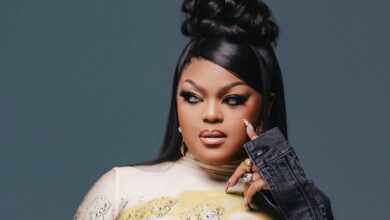
Qaqamba Ntshinka Releases Zola After Losing Life-Changing Musical Movie Opportunity

South African musician Qaqamba Ntshinka is turning one of the most painful experiences of her career into a message of hope, self-acceptance and emotional healing through her latest single, Zola. The singer, who comes from eNgcobo in the Eastern Cape and is now based in Cape Town, wrote the song after losing an opportunity she believed could have changed her life. She had been selected for a role in an upcoming musical movie, but an unexpected vocal problem during the final rehearsal prevented her from taking part in the production. The disappointment left her questioning her abilities, her worth and whether she was ready for such a major opportunity. Rather than allowing the experience to define her, she channelled her emotions into music and created a song encouraging people to be kinder to themselves when life does not go according to plan.
Zola is an isiXhosa word that means “calm down”, and its message speaks directly to people dealing with disappointment, pressure and unmet expectations. Through the single, Qaqamba encourages listeners to stop blaming themselves when opportunities disappear or personal goals remain unfulfilled. Her message is particularly relevant towards the end of the year, when many people reflect on their achievements and compare their progress with the expectations they set for themselves. Some may feel disappointed about missed career opportunities, financial difficulties or New Year’s resolutions they could not achieve. Others may question whether they have done enough or whether they are moving forward at the right pace. Qaqamba wants people to understand that one setback does not determine their value or the direction of their future.
The inspiration behind Zola came from an experience that deeply affected her emotionally and professionally. Qaqamba had been preparing for a role in a musical movie scheduled for an August shoot, an opportunity she considered one of the biggest breaks of her career. However, things took an unexpected turn during the final rehearsal before production began. She lost her singing voice on a Friday, leaving the production team concerned about whether she would recover in time for the planned Monday start. According to the singer, the producers decided they could not risk waiting for her voice to return. The decision meant she would miss out on the role, leaving her devastated after investing so much hope in the opportunity.
Qaqamba recalled how difficult it was to accept the decision, especially because the opportunity represented a major step forward in her musical journey. She explained that the producers did not believe she would be ready by Monday and therefore chose not to take the risk. The singer admitted that she cried because she believed the role could have been her biggest career breakthrough. Losing her voice at such an important moment made the disappointment even harder to process. She had reached the final stage of preparation, only to find herself unable to continue because of circumstances beyond her control. The experience forced her to confront the reality that even when people prepare and work hard for something, unexpected events can change everything.
The emotional impact went beyond losing the movie role. Qaqamba began questioning whether she deserved the opportunity in the first place and whether it had come too early in her career. She also wondered if she was good enough to succeed at that level. These thoughts are familiar to many people who experience rejection or lose opportunities they have worked towards for a long time. When something important falls apart, it can be tempting to interpret the disappointment as evidence of personal failure. However, Qaqamba’s experience helped her recognise how damaging those negative thoughts could become. Instead of continuing to punish herself, she eventually reached a point where she told herself to calm down.
That moment became the emotional foundation for Zola. Qaqamba explained that the song came together after she had spent time processing the negative thoughts surrounding the missed opportunity. She began to recognise that life does not always follow the plans people create for themselves. Even carefully prepared goals and ambitious New Year’s resolutions can be disrupted by circumstances outside anyone’s control. Through the song, she wanted to communicate the importance of accepting those moments without allowing them to destroy your confidence. The message is not about abandoning ambition or pretending disappointment does not hurt. It is about understanding that setbacks are part of life and that people deserve patience and compassion while working through them.
The timing of the release also gives Zola a wider meaning. As the year approaches its end, many people begin reviewing what they have accomplished over the previous months. This period can bring feelings of gratitude, but it can also create pressure for those who believe they have fallen behind. People may look at the goals they set in January and focus only on the ones they failed to achieve. Others may measure their success against friends, colleagues or people they follow on social media. Qaqamba believes this pressure can become unnecessary and emotionally harmful. Her message encourages people to recognise that simply making it through difficult circumstances is also something worth appreciating.
One of the most meaningful points in Qaqamba’s message is her reminder that being present and continuing to show up can be an achievement in itself. People often define success through visible milestones such as promotions, awards, financial progress and professional recognition. While these accomplishments are important, they do not represent the full picture of a person’s life. Some individuals spend an entire year dealing with personal challenges that others may never see. For them, finding the strength to keep going can require enormous effort. Qaqamba wants listeners to recognise their resilience rather than dismissing their experiences because they did not achieve everything they planned.
She also warned against putting excessive pressure on yourself, explaining that the stress can affect your wellbeing. Constantly questioning your abilities and worrying about missed opportunities can create emotional strain. When people refuse to give themselves time to recover from disappointment, they may make their situations even more difficult. Her message encourages a healthier approach to personal growth, one that allows room for mistakes, unexpected changes and fresh opportunities. It also reminds listeners that their worth should not depend entirely on professional achievements or external validation. Sometimes, taking a moment to breathe and regain perspective is more important than immediately trying to prove something to others.
Qaqamba’s story also highlights the unpredictable nature of the entertainment industry. Musicians and performers often spend years developing their skills and preparing for opportunities that could introduce them to wider audiences. However, the industry can be uncertain, and even talented performers may experience setbacks that have little to do with their abilities. Losing her voice before the movie shoot was particularly difficult because it affected her ability to perform at the exact moment she needed it most. Her experience demonstrates how quickly circumstances can change, even when someone has worked hard to reach an important milestone. It also shows why emotional resilience is essential for artists navigating demanding creative careers.
Despite the disappointment, Qaqamba has chosen to focus on the positive message that emerged from the experience. Rather than keeping the incident to herself, she transformed it into a song that could help other people facing similar struggles. This decision gives Zola a personal foundation that listeners may recognise in their own lives. Someone dealing with rejection, an unsuccessful job application, a failed business venture or an abandoned personal goal may find comfort in its message. The song encourages people to question the harsh expectations they place on themselves and remember that one difficult moment does not erase their progress. It also creates space for honest conversations about disappointment and the emotional challenges that often accompany ambition.
Although Qaqamba has spoken openly about losing the movie role, she has chosen not to reveal the production’s name before its official public release. Her decision reflects a desire to respect the project and protect information that has not yet been made public. For now, she is focusing attention on Zola and the message behind her latest musical offering. The single allows audiences to connect with her story without needing to know every detail about the production she missed. It also gives her an opportunity to share an important lesson from an experience that initially left her feeling defeated. Her willingness to discuss the disappointment makes the song’s message more personal and relatable.
With Zola, Qaqamba Ntshinka offers more than a song about a missed opportunity. She delivers a reminder that people should not measure their entire lives through a handful of achievements or disappointments. Her experience of losing a major musical movie role shows how painful unexpected setbacks can be, particularly when an opportunity represents years of hope and hard work. However, the way she responded demonstrates the value of self-compassion, patience and emotional strength. As South Africans reflect on their goals and experiences at the end of the year, her message encourages them to stop questioning whether they are good enough simply because something did not work out. Sometimes, the best response is to take a breath, accept what happened and remain open to what comes next. Through Zola, Qaqamba reminds everyone that missing one opportunity does not mean the journey is over.