
Zulu Queens Finally Release Debut Album Isithembu
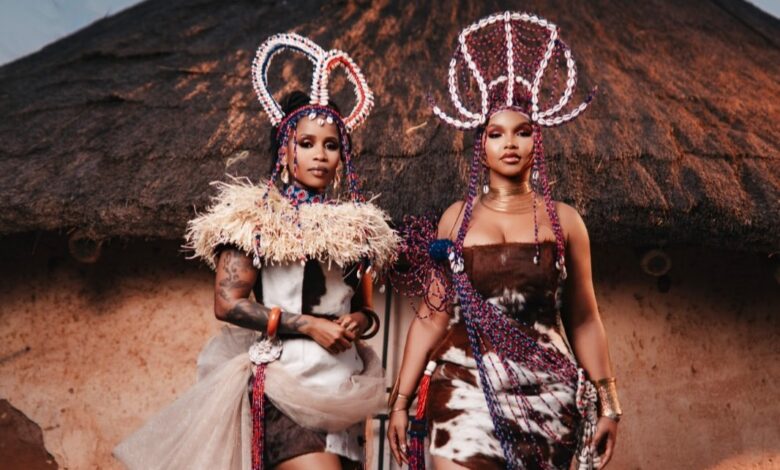
Zulu Queens, the powerful collaboration between Lwah Ndlunkulu and MaWhoo, have officially delivered their highly anticipated debut album, Isithembu. The 15-track project brings together Maskandi soul, Afropop melodies and deeply personal storytelling in a sound that celebrates Zulu culture while embracing contemporary South African music. The album arrives as a significant moment for both artists as they unite under the Zulu Queens moniker and explore the connections between heritage, love, family, tradition and modern life. Rather than choosing between traditional and contemporary sounds, Lwah Ndlunkulu and MaWhoo allow the two worlds to exist naturally throughout the project. Isithembu gives listeners a body of work that feels rooted in cultural identity while remaining accessible to audiences who connect with modern Afropop and Maskandi.
At the heart of Isithembu is the vocal chemistry between Lwah Ndlunkulu and MaWhoo, whose layered voices give the album much of its emotional character. Their performances move between intimate reflections, powerful declarations and moments of vulnerability, allowing each song to tell its own story. The production also plays an important role, with organic Maskandi instrumentation providing a foundation for melodies that often lean into contemporary Afropop. This balance gives the album a distinctive identity instead of making it sound like a straightforward fusion project. The result is a collection of songs where traditional rhythmic elements, modern production and expressive vocals work together to create a sound that represents the Zulu Queens vision.
The album opens with Izinto Zedlozi, a reflective song that explores the financial pressures associated with performing cultural rites and seeking ancestral guidance. Its rhythmic strums establish the cultural atmosphere of the project from the beginning while giving the singers space to approach the subject with sincerity. The song introduces one of the central ideas running through Isithembu, the relationship between everyday life and cultural responsibility. Rather than treating tradition as something distant, Zulu Queens present it as something that continues to influence real decisions and experiences. The opening track therefore sets an important tone for an album that repeatedly connects heritage with the realities of modern relationships and life.
Phephela, featuring Siya Ntuli, shifts the mood towards love and emotional reassurance. The song carries a comforting message built around declarations of lasting affection, showing the softer side of the project after the reflective opening. Isikhwele continues the album’s exploration of relationships before Distance, featuring Feza, introduces a more painful emotional perspective. The track captures the longing that comes with being separated from someone you love and gives the album a strong sense of emotional progression. Ngijabule, another collaboration with Feza, then changes the atmosphere again by celebrating happiness and the satisfaction that comes when love brings genuine joy.
Iso Ngeso introduces a darker emotional tone through its cautionary examination of reciprocal bad behaviour. The song’s pallid strings reinforce the tension in its subject matter and create a restrained atmosphere around the vocal performances. Umanqoba and Ingezo continue to expand the album’s emotional and musical range, while Vela adds another dimension to the journey. These songs help prevent Isithembu from becoming overly focused on a single emotional theme or musical texture. Instead, the project moves through different experiences and moods while maintaining the Maskandi and Afropop foundation established by the opening tracks.
One of the album’s most distinctive cultural moments comes with Ihawu Lesiqhawaga, which features Izingane Zoma and Siya Ntuli. The involvement of the legendary Izingane Zoma adds another important connection to the Maskandi tradition and strengthens the project’s emphasis on musical heritage. Woolies, featuring Mthandeni SK, also brings another major Maskandi voice into the project, further connecting Zulu Queens’ contemporary approach with established figures in the genre. These collaborations show that Isithembu is not simply built around the two lead artists, but also creates space for contributors who represent different parts of the broader South African musical landscape. Their presence gives the album additional depth and reinforces its cultural focus.
Lesotho, featuring Litshepe Lr, stands out for the way it connects musical and cultural traditions across borders. The track uses propulsive accordion elements to create a nostalgic atmosphere while highlighting the shared lineage between Maskandi and famo. By bringing these sounds together, Zulu Queens demonstrate how music can reveal connections between communities and traditions that may be experienced separately but share historical and cultural roots. The contribution from Litshepe Lr adds another layer to this cross-cultural conversation and gives the album one of its most distinctive moments. Lesotho therefore works as more than a guest feature, as it expands the album’s cultural perspective beyond a single musical tradition.
Ungalobolile takes the project into a deeply emotional space by examining the difficult situation of having to return home after eloping. Wailing keys give the song a sense of anguish and reinforce the conflict at the centre of its story. The track reflects how personal choices can collide with family expectations and cultural traditions, a theme that fits closely with the wider concerns explored across Isithembu. Lwah Ndlunkulu and MaWhoo use their voices to bring the emotional weight of that dilemma to the forefront. It is one of the moments where the album’s storytelling becomes especially important because the music supports a situation that many listeners can understand through its emotional consequences.
The album closes with Paris ne Gucci, a tranquil final track that brings together many of the ideas explored throughout the project. Its modern references introduce a fresh perspective while still fitting into the cultural familiarity that defines Isithembu. The contrast between a title associated with contemporary fashion and the traditional musical language of the album captures the central balance that Zulu Queens have created. The closing track does not abandon the project’s cultural foundation, but instead shows how modern experiences can exist alongside inherited traditions. Ending on this note allows the album to finish with a sense of satisfaction while leaving listeners with a clear impression of the duo’s ability to merge different worlds.
Across its 15 tracks, Isithembu presents Lwah Ndlunkulu and MaWhoo as artists willing to explore identity, love and tradition through a shared musical language. The contributions from Siya Ntuli, Feza, Izingane Zoma, Mthandeni SK and Litshepe Lr broaden the album’s sound while adding important connections to Maskandi, Afropop and related South African traditions. The project also benefits from its willingness to move between joy, longing, cultural reflection, conflict and nostalgia instead of staying within one emotional space. Every track contributes to a larger picture of women navigating relationships, culture and contemporary life while remaining connected to their roots. This makes Isithembu feel like a carefully assembled debut rather than simply a collection of songs released under a new name.
With Isithembu, Zulu Queens establish a clear musical identity built around the meeting point between traditional Maskandi instrumentation and contemporary Afropop expression. Lwah Ndlunkulu and MaWhoo place their layered vocals and storytelling at the centre, allowing the album to communicate both cultural pride and personal emotion. From Izinto Zedlozi and its reflection on ancestral obligations to Paris ne Gucci and its modern cultural references, the project maintains a strong connection between past and present. The 15-track album also demonstrates the value of collaboration, bringing together established and emerging voices to create a broader musical conversation. Isithembu ultimately gives Zulu Queens a strong debut that celebrates heritage while proving that traditional South African sounds can continue to evolve through fresh voices and contemporary ideas.