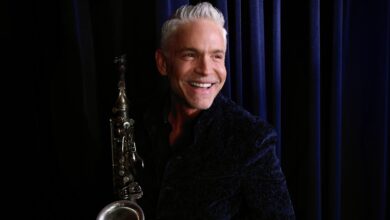
DJ Maphorisa Opens Up About His Nerve-Wracking Return to Afrohouse

South African music heavyweight DJ Maphorisa has shared a rare and honest reflection on his return to Afrohouse, describing the experience as deeply nerve-wracking despite his years of success in the industry. Known for shaping the global rise of Amapiano, Maphorisa, whose real name is Themba Sekowe, stepped into unfamiliar territory as he reintroduced himself to a genre that has evolved significantly over time. His recent performance in Kenya marked a pivotal moment in his career, signaling both a personal challenge and a strategic shift in musical direction. Fans and critics alike have watched closely as he navigates this transition, given his influence and track record. His openness about the pressure he felt adds depth to the narrative of an artist who continues to push his creative boundaries.
Maphorisa traveled to Kenya to perform at Kunye, a respected Afrohouse platform founded by DJ Shimza, where he delivered his first Afrohouse set in years. The performance was significant not only because of its location but also because it represented his re-entry into a genre that has undergone rapid transformation. In a video shared on his social media, he admitted that the shift was not as simple as returning to familiar ground. He explained that Afrohouse today sounds very different from the style he previously worked on with groups like Uhuru, which made the preparation process more complex. This evolution forced him to rethink his approach, from track selection to overall sound direction. His comments highlight the reality that even established artists must adapt quickly in an ever-changing music landscape.
The anxiety he described stemmed largely from overthinking the details of his set, particularly which songs would resonate with a modern Afrohouse audience. This level of self-awareness shows how seriously he approached the opportunity, understanding that expectations were high. Despite the nerves, the performance ultimately exceeded his own expectations, with the crowd responding enthusiastically throughout his set. He acknowledged that the energy from the audience reassured him and reinforced his decision to explore Afrohouse more seriously. His statement that fans can expect to see him more on Afrohouse stages suggests that this was not a one-off experiment but the beginning of a broader artistic shift. This moment may mark a new phase in his career, one that blends his experience with a renewed creative focus.
Support from industry peers also played a key role in shaping this experience, particularly from Shimza, who provided the platform for Maphorisa to showcase his Afrohouse capabilities. Shimza publicly praised the set, even describing it as the highlight of the event, which further validated Maphorisa’s efforts. Such endorsement carries weight within the industry, especially from an artist who has built a strong international presence in Afrohouse. The collaboration between these two influential figures reflects a growing network of South African artists pushing their sound onto global stages. It also underscores the importance of mentorship and collaboration in maintaining relevance in competitive music scenes. Their interaction demonstrates how established artists can support each other while expanding their creative horizons.
Earlier in the year, Maphorisa made headlines when he announced his intention to shift focus from Amapiano to Afrohouse, a move that sparked debate among fans. Some viewed it as a natural evolution, while others questioned whether it signaled a departure from the genre he helped popularize. Comparisons were quickly drawn to globally recognized South African DJs like Black Coffee, who have successfully built international careers within Afrohouse. For many observers, this shift appears to align with broader ambitions to secure more global bookings and expand his reach. Regardless of the motivation, the decision reflects a willingness to take risks in pursuit of growth. It also highlights the fluid nature of modern music careers, where adaptability often determines longevity.
Beyond his own career moves, Maphorisa has continued to use his voice to address issues within the South African music industry. He recently called for greater unity among hip hop artists, emphasizing that division within the scene limits its potential. His comments point to a broader concern about collaboration and collective progress in an industry that thrives on innovation and shared success. By speaking out, he positions himself not only as a performer but also as a thought leader within the music community. This dual role strengthens his influence and keeps him relevant across different conversations in the industry. His willingness to engage in these discussions adds another layer to his public persona.
Maphorisa’s return to Afrohouse shows that even the most established artists face moments of doubt when stepping into new or evolving spaces. His honesty about feeling nervous makes his journey more relatable and human, while his successful performance proves his ability to adapt and excel. The positive reception from both fans and peers suggests that his transition is already gaining traction. As he continues to explore Afrohouse, his influence could help shape the genre’s direction just as he did with Amapiano. This moment reflects both a challenge and an opportunity, driven by a desire to grow and remain impactful.