Tyla Lights Up Mexico at 2026 FIFA World Cup Opening Ceremony with Emotional South African Anthem Performance
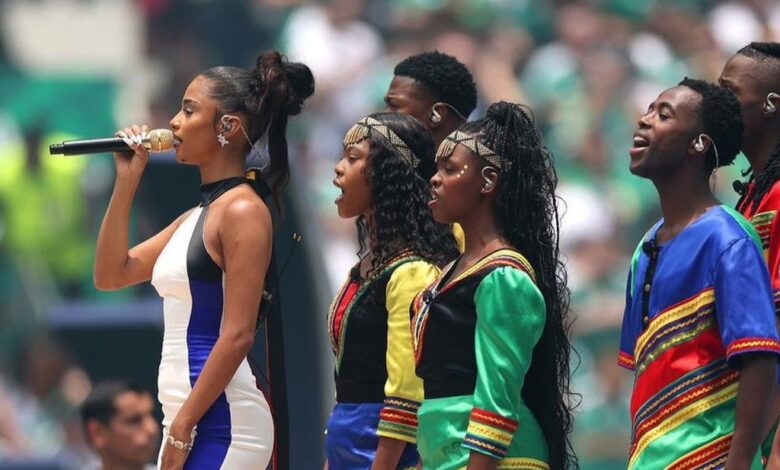
South African-born global music star Tyla delivered a powerful and emotional performance at the opening ceremony of the 2026 FIFA World Cup in Mexico City. The event took place at the iconic Estadio Azteca, just before the highly anticipated clash between Mexico and Bafana Bafana. Her appearance marked one of the most memorable cultural moments of the ceremony as she performed the South African national anthem on a global stage. The performance carried deep meaning for South African fans in attendance and those watching around the world. It also reinforced Tyla’s growing influence as one of the country’s leading international artists.
Tyla, often referred to as the “Pretty Girl from Joburg,” brought a sense of pride and unity to the stadium as she delivered the anthem with clarity and emotion. The Bafana Bafana players joined in singing, along with head coach Hugo Broos and South African supporters inside the stadium. This collective moment created a strong connection between the team and the audience, turning the performance into more than just a musical act. It became a shared national expression on one of football’s biggest stages. The emotional weight of the anthem added intensity to the build-up of the World Cup opener.
The Grammy Award-winning singer elevated the moment further by sharing the stage with members of the Mzansi Youth Choir. Their harmonies blended with her vocals, creating a rich and powerful sound that echoed through the stadium. The collaboration highlighted South Africa’s musical depth and cultural presence at a global sporting event. It also showcased how music and sport can unite audiences across borders. The performance stood out as a proud representation of South African identity during an international celebration.
The opening ceremony featured a wide range of global and regional performances that set a festive tone for the tournament. The headline act included Shakira and Burna Boy, who performed their collaboration “Dai Dai,” which was presented as the official anthem of the 2026 FIFA World Cup. Their high-energy set featured vibrant visuals, choreography and audience participation that energized the stadium. Other performances included Mexican music legends such as Maná, Alejandro Fernández and Belinda, who brought local cultural pride to the event. Latin American and global artists including Los Ángeles Azules, Lila Downs, Danny Ocean and J Balvin added further diversity to the celebration.
Mexico’s role as host nation was strongly reflected in the ceremony’s production and messaging. The stage design incorporated elements inspired by Mexican heritage, combining traditional and modern artistic styles. A message of welcome was delivered to the global audience, emphasizing unity and hospitality as the world gathered for the tournament. Organizers highlighted the World Cup as a shared event that connects nations beyond competition. The atmosphere reflected both national pride and international cooperation.
Internationally acclaimed Mexican actress Salma Hayek Pinault also played a symbolic role during the ceremony. She appeared as a cultural ambassador and addressed the audience in a moment that reinforced Mexico’s global influence in film and culture. Her presence added a cinematic quality to the event and emphasized the importance of representation on the world stage. She also participated in the presentation of the World Cup trophy alongside FIFA president Gianni Infantino, adding further significance to the ceremony’s formal proceedings.
Following her address, officials carried the flags of all 48 participating nations across the stadium as the crowd applauded. This display highlighted the global scale of the tournament and the diversity of competing teams. Bafana Bafana were later led onto the stage by captain and goalkeeper Ronwen Williams, as both South African and Mexican flags were displayed around the pitch. The moment symbolized the start of a new World Cup journey for all teams involved. It also marked a powerful intersection of sport, culture and national pride at one of football’s most historic venues.